Skip to content
Save up to 80% Fast & Discrete Delivery
Abana
Quality products
Fast & Discrete Delivery
Money-back guarantee

Abana

3.3 (3 customer reviews)
Delivery: from 4 days
Payment
24/7 Support
Active ingredient: Abana

Free delivery on orders from AED 860.00, free express delivery from AED 1,290.00

256-bit SSL
Certified pharmacy
Money-back guarantee

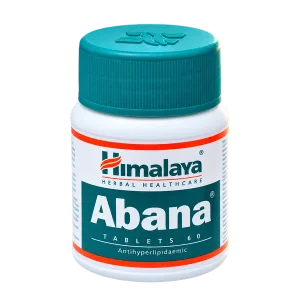
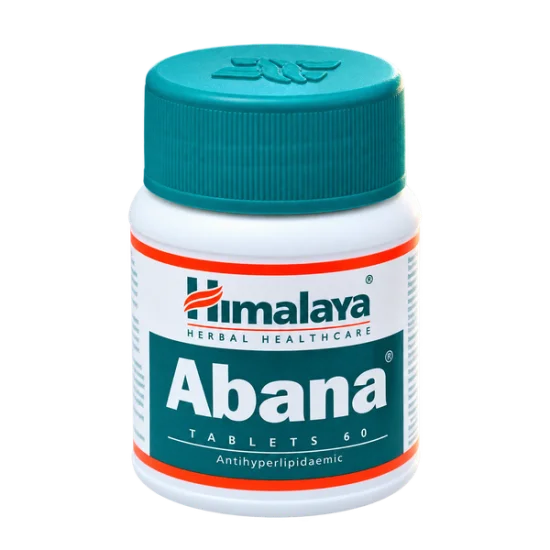
Abana tablets are a botanical anti-hyperlipidaemic formulation supplied in bottles for adults seeking support for healthy blood-lipid management and cardiovascular wellness. Its herbal approach centres on traditional ingredients used alongside diet, activity, and clinician-led monitoring of cholesterol and triglycerides.

Product information

Abana tablets are a botanical anti-hyperlipidaemic product containing Arjuna and Indian Bdellium. It belongs to the category of herbal products intended to support lipid and cardiovascular wellness.

Ingredients

Abana contains Arjuna and Indian Bdellium, two botanicals used in traditional health systems for cardiovascular and metabolic support. Their presence does not mean that every person will have the same lipid response, since diet, metabolic health, genetics, and concurrent treatment influence blood-test results.

Botanical ingredient Botanical identity Traditional role
Arjuna Terminalia arjuna Used traditionally to support cardiac function and circulatory wellness
Indian Bdellium Commiphora mukul Used traditionally in approaches addressing lipid metabolism and metabolic balance

Arjuna contains plant polyphenols and tannins that have been studied for antioxidant activity. Indian Bdellium is also known in herbal medicine as guggul and contains resin-derived compounds called guggulsterones. The World Health Organization has included Commiphora mukul in its monographs on selected medicinal plants, while also recognising that traditional use and clinical evidence are not interchangeable [1].

A botanical ingredient can have biological activity without acting like a prescription statin. That distinction matters when setting expectations.

Keep a written list of all regular medicines and supplements before starting Abana. Herbal products are easy to forget when discussing cholesterol treatment.

Therapeutic indications

Abana is intended to support a healthier lipid profile, meaning the balance of cholesterol and triglycerides circulating in the blood. The term anti-hyperlipidaemic describes an approach aimed at reducing elevated blood fats, especially LDL cholesterol and triglycerides.

Abana is positioned to support the regulation of LDL cholesterol, VLDL cholesterol, triglycerides, and HDL cholesterol. VLDL, or very-low-density lipoprotein, carries triglycerides from the liver into circulation. HDL is high-density lipoprotein cholesterol, often called protective cholesterol because it participates in reverse cholesterol transport.

The intended lipid pattern is straightforward:

  • Lower LDL cholesterol, which contributes to atherosclerotic plaque when persistently elevated.
  • Lower VLDL cholesterol, often linked with raised triglycerides.
  • Support lower triglyceride concentrations.
  • Help maintain HDL cholesterol within a favourable range.

Lipid metabolism is more complex than one ingredient producing one result. The liver makes and clears lipoproteins, the intestine absorbs dietary fats, and insulin resistance can increase triglyceride production. EMA guidance on lipid-disorder treatments uses changes in LDL cholesterol, non-HDL cholesterol, triglycerides, and cardiovascular outcomes as clinically relevant measures rather than relying on a single total-cholesterol figure [2].

A lipid panel shows the change. Feeling physically well does not confirm that cholesterol has improved.

Dosage and administration

Take Abana tablets by mouth with water. The amount and frequency depend on the purpose of use and should be agreed with a doctor or pharmacist, especially when treatment is already in place for high cholesterol, blood pressure, diabetes, thyroid disease, or heart disease.

A consistent routine helps avoid missed doses:

  • Take the tablets at the same time each day.
  • Use them with a meal if an empty stomach causes discomfort.
  • Swallow tablets whole unless a clinician has advised otherwise.
  • If a dose is missed, continue with the next planned dose rather than doubling up.
  • Arrange lipid testing at intervals recommended by the clinician managing the result.

A common mistake is changing several things at once: starting Abana, changing diet, joining a gym, and beginning another supplement in the same week. That makes it hard to identify what is helping or causing stomach symptoms.

Choose one meal that already happens daily, such as breakfast or dinner, as the anchor for taking Abana. Linking a tablet to an established habit is more reliable than relying on memory.

When not to use it

  • Pregnancy or breastfeeding, because reliable safety data for this herbal combination are limited.
  • Active liver disease or unexplained jaundice.
  • Gallbladder disease or recurrent biliary colic.
  • Treatment with anticoagulants, antiplatelet medicines, anti-diabetic medicines, thyroid therapy, or prescription lipid-lowering medicines.
  • Planned surgery, where all herbal products should be disclosed to the surgical team.
  • Persistent abdominal pain, unexplained weight loss, or severe digestive symptoms.

Do not use Abana as the sole response to very high cholesterol results. Very high LDL cholesterol can signal familial hypercholesterolaemia, a condition that needs structured medical assessment.

When this is not for you

This is not for you if you have had an allergic reaction to Arjuna, Indian Bdellium, guggul-containing products, or any other component of Abana.

Possible side effects

Abana is generally used as a botanical wellness product, yet plant-derived ingredients can still cause unwanted effects. Mild digestive upset, nausea, loose stools, reflux, headache, or a skin reaction may occur in sensitive people. These effects are not expected in everyone.

Stop using Abana and seek prompt medical care for facial swelling, breathing difficulty, widespread rash, fainting, severe chest pain, or symptoms suggesting a serious allergic reaction. Sudden chest discomfort, breathlessness, weakness on one side of the body, or speech difficulty requires urgent assessment rather than self-management with a lipid-support product.

The U.S. Food and Drug Administration explains that dietary supplements can have pharmacological effects and may interact with medicines, even when they are plant-based [3]. This is relevant for people using several cardiovascular medicines at once.

How it affects the body

Arjuna and Indian Bdellium are botanical ingredients used traditionally for cardiovascular and metabolic support. Arjuna contains plant polyphenols and tannins, while Indian Bdellium contains resin-derived compounds called guggulsterones. Their biological activity is intended to support lipid metabolism rather than act like a prescription statin.

Common mistakes

Several patterns can limit the value of Abana or make lipid results harder to interpret.

  • Taking tablets irregularly, then expecting a meaningful change in blood tests.
  • Using total cholesterol alone while ignoring LDL cholesterol, non-HDL cholesterol, and triglycerides.
  • Assuming high HDL cancels out a high LDL result.
  • Continuing frequent alcohol intake despite raised triglycerides.
  • Combining multiple herbal products aimed at cholesterol control without reviewing possible overlap.
  • Stopping prescribed cholesterol treatment without discussing the cardiovascular risk first.
  • Treating a home blood-pressure reading as proof that blood lipids have improved.

Food patterns and physical activity still influence lipid results.

Comparison

Comparison with lipid-management approaches

Approach Main role Key limitation
Abana botanical tablets Supports lipid and cardiovascular wellness through herbal constituents Effects may be modest and vary between individuals
Lifestyle-led lipid control Targets diet quality, body weight, activity, sleep, and alcohol intake Requires sustained daily habits
Prescription lipid-lowering therapy Produces established reductions in specific lipid fractions for eligible patients Requires medical assessment and monitoring

Prescription treatment is generally preferred when a person has established cardiovascular disease, diabetes with elevated risk, markedly raised LDL cholesterol, or inherited lipid disorders. NICE guidance also supports risk-based assessment when lipid-lowering treatment is considered. Abana may fit a supportive role when the goal is to improve health habits and monitor a mild lipid imbalance over time.

If triglycerides are high, reducing sugary drinks and alcohol often produces a more visible laboratory change than adding a supplement alone.

What doctors say

In clinical practice, doctors look first at the full cardiovascular-risk picture: blood pressure, smoking status, diabetes, body weight, family history, LDL cholesterol, and kidney function. A modestly abnormal lipid result in a low-risk adult is managed differently from the same result in someone with diabetes or prior heart disease.

Clinicians usually welcome a clearly documented herbal routine when it does not delay necessary treatment or create avoidable medicine interactions. They also tend to ask one practical question: has the lipid panel actually changed after a period of consistent use and lifestyle work?

Comparison

Abana Current

Active ingredient: Abana
60pills
From AED 382.70
bottles
3.3 (3)

Crestor

Active ingredient: Rosuvastatin
10mg 20mg 5mg
From AED 430.00
pills
3.6 (4)

Ezetimibe

Active ingredient: Ezetimibe
10mg
From AED 438.60
pills
4.2 (3)

Comparison table: Cholesterol Management

Common questions

Duration of support from one dose

Abana is designed for regular use rather than as a product that produces a noticeable same-day cardiovascular effect. Blood-lipid management depends on repeated use, dietary patterns, metabolic health, and follow-up testing. The WHO described cardiovascular risk as cumulative in its 2023 cardiovascular disease guidance, which is why one isolated dose cannot determine a meaningful LDL or triglyceride outcome. A clinician may use repeat lipid panels to assess whether the wider routine is helping. Testing should follow the clinician's recommended interval.

Driving, concentration, and machinery use

Abana is not expected to cause sedation in most users, so driving and routine work are usually unaffected. Individual reactions still vary, especially if nausea, dizziness, headache, or digestive discomfort develops. The EMA’s 2018 guidance on lipid-disorder therapies focuses on laboratory and cardiovascular endpoints rather than alertness effects, so practical tolerance remains the key consideration. Avoid driving or machinery work if you personally feel dizzy or unwell after taking it.

Gallbladder disease and Abana use

Gallbladder disease is a concrete reason to avoid starting Abana without clinical advice. Indian Bdellium and related guggul preparations may aggravate digestive or biliary symptoms in susceptible people. The WHO monograph published in 2004 describes the traditional medicinal use of Commiphora mukul and supports careful use where individual medical factors may affect tolerability. Right-upper abdominal pain, fever, vomiting, or yellowing of the eyes needs medical assessment.

Diet, exercise, and habits affecting results

A Mediterranean-style eating pattern, regular activity, adequate sleep, and weight management can strengthen the goal of improving blood lipids. The American Heart Association’s 2021 dietary guidance supports eating more vegetables, fruit, legumes, whole grains, nuts, and unsaturated fats while limiting highly processed foods, added sugars, and excess alcohol [4]. Sugary drinks and alcohol can raise triglycerides, even in people whose LDL cholesterol is only mildly elevated. Smoking also increases cardiovascular risk independently of cholesterol.

Timing of noticeable effects

Abana does not usually create a sensation that confirms it is working. Cholesterol and triglycerides are measured biochemical markers, so a laboratory test is more useful than day-to-day feelings. FDA consumer information published in 2022 advises that supplements should be used with realistic expectations and awareness of possible interactions. Any perceived benefit should be judged alongside repeat lipid results, not by energy levels alone.

Do you offer anonymous delivery?

Your order will be securely packed and shipped within 24 hours. This is exactly what your package will look like (images of an actual item sent). It has the size and look of a regular private letter (24x11x0.7 cm) and its contents cannot be seen.

Sources

  1. World Health Organization (2004). WHO monographs on selected medicinal plants: Volume 2.
  2. European Medicines Agency (2018). Guideline on clinical investigation of medicinal products in the treatment of lipid disorders.
  3. U.S. Food and Drug Administration (2022). Dietary Supplements: What You Need to Know.
  4. American Heart Association (2021). Dietary Guidance to Improve Cardiovascular Health: A Scientific Statement From the American Heart Association.

Reviews: Abana

Hamdan S., 52
Al Khawaneej
Verified
Rating: 4 out of 5
I used Abana as part of a more organised routine with home-cooked meals and evening walks. After my follow-up blood test, my triglycerides had moved in the right direction, and I was satisfied that the routine felt manageable.
10 Nov 2026
Arjun, 34
Ruwais
The following months
Verified
Rating: 4.5 out of 5
I started taking Abana when I decided to take my family history of cholesterol more seriously. The tablets fitted easily into my breakfast routine, and I felt more consistent about exercise and reducing takeaways over the following months.
2 Nov 2026
Imran G., 66
Umm Al Quwain
Verified
Rating: 1.5 out of 5
I stopped after developing stomach discomfort that did not settle for me. My lipid results also did not improve as much as I expected, so I discussed a different plan with my doctor.
12 Oct 2026
Get our free app Shop faster and track your orders 3.9 · 268 reviews Install