Skip to content
Save up to 80% Fast & Discrete Delivery
Crestor
Quality products
Fast & Discrete Delivery
Money-back guarantee

Crestor

3.6 (4 customer reviews)
Delivery: from 4 days
Payment
24/7 Support
Active ingredient: Rosuvastatin

Free delivery on orders from AED 860.00, free express delivery from AED 1,290.00

256-bit SSL
Certified pharmacy
Money-back guarantee

Crestor is prescribed for adults with high cholesterol, mixed dyslipidaemia, or increased cardiovascular risk. Its main benefit is lowering LDL cholesterol and helping reduce the likelihood of cardiovascular events over time.

Product information

Rosuvastatin, the active ingredient of Crestor, is a statin used to lower LDL cholesterol, triglycerides, and total cholesterol while modestly raising HDL cholesterol. It is prescribed for adults with hypercholesterolaemia, mixed dyslipidaemia, or elevated cardiovascular risk, acting mainly in the liver to reduce cholesterol production.

Ingredients

Active Ingredient Composition

Rosuvastatin is the active lipid-lowering substance in Crestor tablets. It belongs to the statin class, also called HMG-CoA reductase inhibitors.

The HMG-CoA reductase enzyme helps the liver make cholesterol. Rosuvastatin blocks this enzyme, lowering the liver’s internal cholesterol supply. Liver cells then increase the number of LDL receptors on their surface, allowing more LDL cholesterol to be removed from the bloodstream. [1]

Practical tip: cholesterol does not usually cause symptoms. A person may feel exactly the same while Crestor is lowering LDL cholesterol, so lipid blood tests are the useful way to measure response.

Therapeutic indications

Crestor is used for primary hypercholesterolaemia, mixed dyslipidaemia, and selected inherited lipid disorders. It can also be part of cardiovascular risk reduction for people whose clinical profile indicates a raised likelihood of heart attack, stroke, or arterial procedures.

Atherosclerosis develops gradually. LDL particles accumulate within artery walls, triggering inflammation and plaque growth. Lowering LDL slows this process and can reduce the likelihood of cardiovascular events over time.

Management of Hypercholesterolaemia and Dyslipidaemia

Doctors use Crestor when cholesterol remains above target despite lifestyle changes or when the person’s baseline cardiovascular risk calls for medicine alongside dietary changes. High cholesterol may occur with diabetes, high blood pressure, smoking, kidney disease, family history of early cardiovascular disease, or inherited lipid disorders.

Benefits commonly sought with statin treatment include:

  • Lower LDL cholesterol and non-HDL cholesterol
  • Lower triglycerides when they are elevated
  • Reduced progression of atherosclerotic plaque
  • Lower long-term risk of myocardial infarction and ischaemic stroke
  • Support for people with established cardiovascular disease

The WHO and American Heart Association identify raised blood lipids as a modifiable cardiovascular risk factor. Prevention is strongest when lipid treatment is combined with blood-pressure control, smoking cessation, balanced nutrition, physical activity, and diabetes management. [2]

Atherosclerosis and Stroke Prevention

Crestor does not dissolve existing plaque overnight. Its value comes from sustained LDL reduction, which helps stabilise plaque and lowers the chance that plaque disruption will trigger a clot.

Practical tip: keep lipid-test appointments even when you feel well. The result helps the prescriber decide whether the chosen regimen is achieving the intended LDL reduction.

Dosage and administration

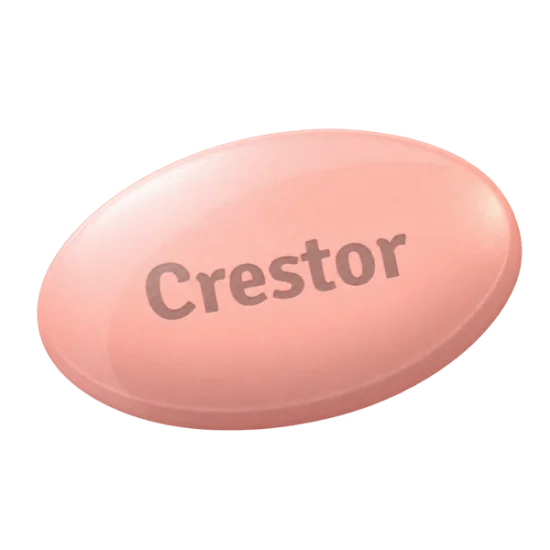
Crestor is supplied as oral tablets. The regimen for the chosen strength is confirmed with a healthcare professional before starting, based on LDL level, cardiovascular risk, kidney function, other medicines, and prior response to statin therapy.

Take the prescribed tablet once daily at a consistent time. It may be taken with water, with or without food. Rosuvastatin has a relatively long duration of action, so it does not need to be reserved for bedtime in the way some shorter-acting statins traditionally were.

If a dose is missed, take it when remembered unless the next scheduled dose is close. Do not take two tablets together to make up for a missed dose.

Practical tip: choose a time that already has a reliable routine, such as after brushing your teeth in the morning or evening. The best time is the time you will remember consistently.

Common dosing mistakes include:

  • Taking an extra tablet after forgetting a dose
  • Stopping treatment after one improved cholesterol result
  • Starting a new supplement without mentioning it during a medicine review
  • Ignoring persistent muscle pain because it seems like exercise soreness
  • Taking aluminium- or magnesium-containing antacids at the same time as Crestor

Antacids containing aluminium or magnesium can reduce rosuvastatin absorption. Separate them from Crestor by at least two hours.

When not to use it

Extra caution is required in people with:

  • Previous statin-related muscle toxicity
  • Severe kidney impairment
  • Untreated hypothyroidism
  • Heavy alcohol intake or liver disease
  • Older age with multiple medicines
  • Personal or family history of hereditary muscle disorders

Gemfibrozil and other fibrates can raise the risk of muscle toxicity when combined with rosuvastatin. Ciclosporin, certain antiviral medicines, warfarin, colchicine, and some medicines that affect drug transport proteins may also require closer monitoring or treatment adjustment.

When this is not for you

Crestor is not for you if you have active liver disease, unexplained persistent elevations in liver enzymes, a known allergy to rosuvastatin, or if you are pregnant or breastfeeding.

Avoid Crestor during pregnancy because cholesterol is needed for fetal development. People planning pregnancy should discuss treatment changes with the prescriber before trying to conceive.

Seek urgent medical assessment for severe muscle pain or weakness with fever, profound tiredness, dark urine, yellowing of the skin or eyes, severe upper abdominal pain, facial swelling, or breathing difficulty.

Possible side effects

Most people tolerate Crestor without major difficulty. Headache, abdominal discomfort, nausea, constipation, and muscle aches can occur. These effects are often mild, yet persistent or troublesome symptoms deserve clinical review.

Muscle symptoms are the adverse effect patients tend to recognise first. A dull ache after unfamiliar exercise may have another cause, while symmetrical pain, tenderness, cramps, or weakness that persist without a clear explanation should not be ignored.

Rarely, statins can cause serious muscle injury called rhabdomyolysis. This involves muscle breakdown and can affect the kidneys. Liver enzyme changes may also occur, which is why clinicians may request baseline or follow-up blood tests in appropriate patients.

Practical tip: write down when muscle symptoms began, which muscles are involved, recent exercise changes, fever, dehydration, and any new medicines. Those details help separate a possible medicine effect from other causes.

Crestor can slightly increase blood glucose in some people, especially those already at risk of type 2 diabetes. For patients with high cardiovascular risk, LDL reduction often remains clinically valuable, but glucose monitoring may form part of follow-up.

How it affects the body

Crestor contains rosuvastatin, supplied as rosuvastatin calcium, an HMG-CoA reductase inhibitor. This medicine targets the liver, where much of the body’s cholesterol is produced and cleared from circulation.

Enzymatic Inhibition Pathway

Crestor reduces the production of cholesterol in hepatic cells and improves clearance of LDL particles from the blood. LDL is often called bad cholesterol because excess circulating LDL can enter artery walls and contribute to atherosclerotic plaque formation.

The medicine also lowers triglycerides in many people. HDL cholesterol may rise slightly, though LDL reduction remains the main treatment target. Results depend on the starting lipid profile, genetic factors, adherence, diet, and the prescribed regimen. Clinicians use repeat lipid testing to assess the response. Treatment goals may change as cardiovascular risk and other health factors change.

Common mistakes

A frequent mistake is treating Crestor as a short course. Cholesterol commonly rises again after treatment is stopped, because the underlying tendency to produce or retain LDL cholesterol has not necessarily changed.

Another error is assuming diet alone will always replace a statin. Dietary changes can make a meaningful difference, yet people with inherited high cholesterol or established cardiovascular disease may still need medicine to reach an appropriate LDL goal.

Some patients stop after reading that statins can cause muscle pain. Muscle symptoms are possible, but not every ache is caused by rosuvastatin. A planned assessment can identify dehydration, thyroid disease, intense exercise, vitamin deficiency, infection, or an interacting medicine.

Comparison

Rosuvastatin is one of several statins used to reduce LDL cholesterol. The best option depends on the degree of LDL lowering needed, kidney and liver health, possible interactions, previous statin tolerance, and the person’s cardiovascular risk category.

Active ingredient Drug class and action Typical clinical consideration
Rosuvastatin Potent HMG-CoA reductase inhibitor Suitable when substantial LDL reduction is required
Atorvastatin HMG-CoA reductase inhibitor Common option with strong LDL-lowering effect
Pravastatin HMG-CoA reductase inhibitor May be considered where interaction concerns influence selection

Rosuvastatin is not automatically the right statin for every patient. Some people respond well to it at a low regimen, while others require a different statin because of interactions, kidney impairment, adverse effects, or lipid targets.

The European Medicines Agency describes statins as medicines that lower cholesterol by reducing hepatic cholesterol synthesis. Their effect is measured through the lipid profile and cardiovascular-risk assessment rather than by daily symptoms. [3]

What doctors say

In clinical practice, doctors focus less on a single cholesterol number and more on the whole cardiovascular picture. Diabetes, blood pressure, smoking status, kidney function, family history, previous heart disease, and age all influence the treatment plan.

Doctors also distinguish mild, temporary muscle discomfort from symptoms that require investigation. Stopping treatment without reporting a problem can leave cholesterol untreated, while continuing through severe weakness or dark urine is unsafe. The useful middle path is prompt reporting and a structured review.

Comparison

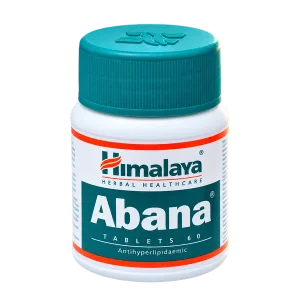
Abana

Active ingredient: Abana
60pills
From AED 382.70
bottles
3.3 (3)

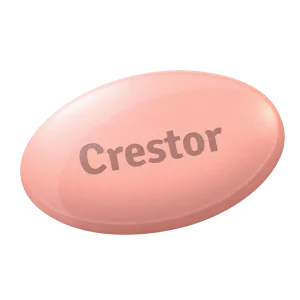
Crestor Current

Active ingredient: Rosuvastatin
10mg 20mg 5mg
From AED 430.00
pills
3.6 (4)

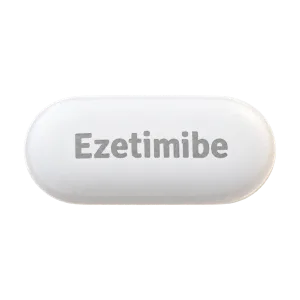
Ezetimibe

Active ingredient: Ezetimibe
10mg
From AED 438.60
pills
4.2 (3)

Comparison table: Cholesterol Management

Common questions

Can Crestor tablets be split, crushed, or chewed?

Crestor tablets should be swallowed whole with water unless the prescriber gives a specific alternative instruction. Crushing or chewing changes how easy the medicine is to take and can make it harder to maintain a consistent routine. The FDA prescribing information for Crestor, revised in 2024, describes oral tablet administration rather than crushing or chewing. If swallowing tablets is difficult, discuss an appropriate option with the prescriber before changing how you take it.

Does Crestor cause muscle pain?

Muscle pain can occur with rosuvastatin, although many people have no muscle-related symptoms. The FDA’s 2024 prescribing information lists myalgia among reported adverse reactions and warns about rare myopathy and rhabdomyolysis. Mild soreness after unusual activity may have other causes, while persistent weakness, cramps, or unexplained muscle tenderness needs assessment. Severe pain with dark urine or fever needs urgent medical attention.

Can older adults use Crestor?

Older adults can use Crestor when it is clinically appropriate, and age alone does not rule out statin treatment. Prescribers consider kidney function, liver status, frailty, other medicines, and prior muscle symptoms because these can alter tolerability. NICE guidance published in 2023 supports cardiovascular risk assessment and lipid-lowering treatment based on individual risk rather than age alone. Regular medication review is useful when several treatments are taken together.

Which symptoms mean Crestor should be stopped and urgent medical advice sought?

Stop taking Crestor and seek urgent medical care for severe muscle pain or weakness with fever, extreme tiredness, or dark brown urine. Urgent assessment is also needed for swelling of the face or throat, breathing difficulty, yellowing of the eyes or skin, or severe abdominal pain. The EMA product information for rosuvastatin, updated in 2023, warns about serious muscle and liver reactions, though they are uncommon. Do not restart the medicine until the cause has been assessed.

What is the best time of day to take Crestor?

Crestor can be taken at any consistent time of day, with or without food. Rosuvastatin remains active long enough that morning or evening use can both be suitable. The FDA’s 2024 Crestor prescribing information supports once-daily administration without a bedtime-only requirement. Pick a regular time that fits your routine and avoid doubling doses after a missed tablet.

Which diet, exercise, and habits support Crestor results?

A diet based on vegetables, fruit, legumes, whole grains, fish, and unsalted nuts supports cholesterol management. Replacing foods high in saturated fat with unsaturated fats, maintaining regular physical activity, and avoiding tobacco are practical cardiovascular measures. WHO cardiovascular guidance updated in 2023 links healthy eating, movement, and tobacco avoidance with lower cardiovascular risk. Heavy alcohol intake can add liver strain and may worsen triglyceride levels, so it should be addressed during treatment planning.

Do you offer anonymous delivery?

Your order will be securely packed and shipped within 24 hours. This is exactly what your package will look like (images of an actual item sent). It has the size and look of a regular private letter (24x11x0.7 cm) and its contents cannot be seen.

Sources

  1. FDA (2024). CRESTOR (rosuvastatin calcium) tablets: Prescribing Information.
  2. WHO (2023). Cardiovascular diseases.
  3. European Medicines Agency (2023). Rosuvastatin: Summary of Product Characteristics.

Reviews: Crestor

Samir, 51
Mussafah
Several months
Verified
Rating: 4 out of 5
I used Crestor as part of my cholesterol plan for several months. My follow-up lipid result showed a clear LDL reduction, and I was pleased that taking one tablet each day became easy to maintain.
2 Nov 2026
Khalid, 59
Kalba
Verified
Rating: 4.5 out of 5
My cholesterol had stayed high despite changing meals at home. After staying regular with Crestor and walking most evenings, my next blood test was much better and I felt satisfied with the progress.
8 Nov 2026
Waleed, 53
Ras Al Khaimah
The prescribed follow-up period
Verified
Rating: 4.5 out of 5
I took Crestor consistently and had my blood tests repeated after the prescribed follow-up period. The improvement in LDL was clear, which gave me confidence to continue my diet and exercise changes.
13 Oct 2026
Saeed, 38
Mirdif
Verified
Rating: 1.5 out of 5
I stopped Crestor after developing persistent thigh pain that did not settle after rest. My doctor reviewed my medicines and arranged blood tests before deciding on the next cholesterol treatment.
18 Oct 2026
Get our free app Shop faster and track your orders 3.9 · 268 reviews Install