Skip to content
Save up to 80% Fast & Discrete Delivery
Ezetimibe
Quality products
Fast & Discrete Delivery
Money-back guarantee

Ezetimibe

4.2 (3 customer reviews)
Delivery: from 4 days
Payment
24/7 Support
Active ingredient: Ezetimibe

Free delivery on orders from AED 860.00, free express delivery from AED 1,290.00

256-bit SSL
Certified pharmacy
Money-back guarantee

Raised LDL cholesterol can accelerate atherosclerosis and raise the likelihood of coronary heart disease over time. Ezetimibe tablets are used for adults with hypercholesterolaemia who need to reduce cholesterol absorption from the small intestine.

Product information

The active substance, ezetimibe, lowers the amount of cholesterol reaching the liver and is often used with dietary measures or a statin.

Ingredients

The active substance is ezetimibe. It lowers the amount of cholesterol reaching the liver by reducing cholesterol absorption from the small intestine. Ezetimibe is supplied as oral tablets and may be used alone or with a statin, together with dietary measures.

Therapeutic indications

Ezetimibe is a hypolipidaemic treatment that lowers low-density lipoprotein cholesterol, commonly called LDL-C. It is prescribed for primary hypercholesterolaemia, including heterozygous familial hypercholesterolaemia, when diet alone does not provide sufficient LDL-C control. It may be used alone when a statin is unsuitable or alongside a statin when further cholesterol lowering is needed. [1]

LDL-C is not merely a laboratory value. Excess LDL-C can enter artery walls, contribute to plaque formation, and increase long-term cardiovascular risk. Reducing LDL-C supports prevention of coronary heart disease events in people with established cardiovascular disease or a high-risk profile.

Ezetimibe does not replace lifestyle measures. A diet lower in saturated fat, regular movement, weight management where relevant, and smoking cessation remain part of lipid management recognised by the WHO and major cardiovascular guidelines.

A lipid profile is most useful when compared with earlier results taken under similar conditions. Keep a record of LDL-C, non-HDL cholesterol, triglycerides, and the date of each test.

The expected benefit is a reduction in LDL-C, not a sensation that can be felt day to day. Consistent tablet use matters because cholesterol control is assessed over weeks through blood tests.

Dosage and administration

Ezetimibe is supplied as oral tablets. The regimen for the chosen strength is confirmed with a healthcare professional before starting. It can be taken with or without food and is usually taken at a consistent time each day.

A practical routine includes:

  • Swallow the tablet whole with water.
  • Take it at the same time daily to reduce missed doses.
  • Continue cholesterol-focused eating habits while using it.
  • If a dose is forgotten, take the next dose at the usual scheduled time.
  • Do not take an extra tablet to make up for a missed dose.

The tablets may be used as monotherapy or as part of a wider lipid-lowering plan. MOHAP-regulated clinical care commonly includes baseline lipid testing and follow-up measurements to assess whether LDL-C has fallen sufficiently.

If you use a bile acid sequestrant, separate it from ezetimibe. Ezetimibe should be taken at least two hours before, or at least four hours after, a bile acid sequestrant because the resin can reduce ezetimibe absorption.
A tablet missed occasionally does not cause immediate symptoms, but repeated missed doses can make the next lipid result look as though treatment is not working. Take the next scheduled dose rather than doubling up.

When not to use it

  • Active liver disease or unexplained persistent liver enzyme elevation when ezetimibe is combined with a statin.
  • Pregnancy or breastfeeding when combined with a statin, since statins are not used in these settings.
  • Moderate or severe liver impairment, because ezetimibe exposure may increase.
  • Treatment with cyclosporine, which can raise ezetimibe concentrations.
  • Treatment with warfarin or another coumarin anticoagulant, because INR monitoring may be needed after starting ezetimibe.
  • Use of a fibrate, because gallbladder-related risks and tolerability need review.

When this is not for you

This is NOT for you if you have had a hypersensitivity reaction to ezetimibe or any tablet ingredient.

Possible side effects

Most people tolerate ezetimibe well. Reported effects can include headache, fatigue, abdominal pain, diarrhoea, dizziness, and muscle ache. Paresthesia, a tingling or pins-and-needles sensation, is less common.

When ezetimibe is taken alone, muscle effects are uncommon but possible. When combined with a statin, muscle pain may reflect either treatment or another cause such as exercise, viral illness, low vitamin D, or thyroid disease. Persistent muscle symptoms should be assessed rather than ignored.

Serious allergic reactions are rare. Facial swelling, swelling of the lips or tongue, widespread rash, breathing difficulty, or angioedema need urgent medical attention. Jaundice, dark urine, marked tiredness, or pain in the upper abdomen may indicate a liver-related problem and also need prompt assessment.

Do not dismiss muscle pain simply because it starts after a new exercise routine. If the pain is unusual, symmetrical, or paired with weakness, record when it started and which medicines changed around that time.

How it affects the body

Ezetimibe works at the brush border of the small intestine, where it blocks the Niemann-Pick C1-Like 1 transporter, also called NPC1L1. This transport protein helps move dietary and biliary cholesterol from the intestine into the body. Less cholesterol reaches the liver.

The liver then has less cholesterol available for packaging into circulating LDL particles. It responds by increasing LDL receptor activity, allowing more LDL-C to be removed from the bloodstream. This mechanism differs from statins, which mainly reduce cholesterol synthesis inside the liver. [2]

Ezetimibe acts selectively on cholesterol absorption. It does not prevent absorption of triglycerides, fat-soluble vitamins, or steroid hormones in the way some older lipid-lowering approaches can affect digestion.

Common mistakes

Stopping Ezetimibe because cholesterol does not feel different is a frequent mistake. LDL-C lowering is silent, and the value of treatment lies in reducing cumulative exposure to atherogenic cholesterol.

Other avoidable errors include:

  • Taking a missed dose twice on the same day.
  • Taking cholestyramine too close to the tablet.
  • Assuming muscle pain is always harmless when a statin is also used.
  • Starting supplements marketed for cholesterol control without mentioning them during a medication review.
  • Skipping follow-up lipid tests and assuming the treatment effect.

Red yeast rice products deserve caution because their statin-like components may add to muscle-related adverse effects when used with statin therapy. A clinician should know about all supplements, including plant extracts and high-dose vitamins.

Comparison

Ezetimibe has a focused mechanism and is generally easy to take because it does not bind substances throughout the gut. Bile acid sequestrants such as cholestyramine work differently by binding bile acids in the intestine. Fibrates act mainly on triglyceride-rich lipoproteins and are more relevant when raised triglycerides are the key concern.

Drug class Main lipid effect Practical limitation
Ezetimibe Lowers LDL-C by reducing cholesterol absorption LDL-C reduction is usually more modest than intensive statin therapy
Bile acid sequestrants Lower LDL-C by binding bile acids Constipation, bloating, and medicine-timing restrictions are common
Fibrates Lower triglycerides and may raise HDL-C Less suitable when isolated LDL-C reduction is the main goal

Cholestyramine can reduce ezetimibe absorption, which is why dose separation is needed. Clofibrate is a fibrate with a different role from ezetimibe and is not a substitute for targeted LDL-C management. The EMA advises selecting lipid treatment according to the complete lipid profile, cardiovascular risk, coexisting conditions, and tolerability. [4]

Statins inhibit HMG-CoA reductase, an enzyme involved in hepatic cholesterol production. Ezetimibe blocks intestinal cholesterol uptake. Using both mechanisms can produce a greater LDL-C reduction than either approach alone, without automatically needing a higher statin exposure. [3]

This pairing is often considered when LDL-C remains above the individual treatment goal despite a tolerated statin regimen. It is also relevant for people who cannot tolerate intensive statin treatment but still need stronger LDL-C lowering.

Treatment approach Main action Clinical role
Ezetimibe alone Reduces intestinal cholesterol absorption Option when statins are unsuitable or insufficiently tolerated
Statin alone Reduces liver cholesterol synthesis First-line LDL-C lowering for many adults
Ezetimibe plus statin Targets absorption and synthesis Added LDL-C reduction when statin treatment alone is insufficient

Combination treatment has a limitation: muscle symptoms or liver enzyme changes may arise from the statin component. New, unexplained muscle pain therefore deserves attention, especially when it is persistent, severe, or accompanied by weakness.

What doctors say

In clinical practice, doctors focus on the LDL-C trend rather than a single result. Ezetimibe is often a sensible addition when a statin is already tolerated but LDL-C remains above target, or when increasing the statin dose would be poorly tolerated.

A clinician will usually review cardiovascular history, diabetes status, blood pressure, smoking, kidney function, liver history, and family history of premature heart disease. This wider picture determines how much LDL-C lowering is appropriate. The benefit is strongest when treatment is taken consistently and followed by planned lipid testing. Follow-up results can show whether the selected dose is producing the intended response. The treatment plan may be adjusted if LDL-C remains above the agreed target or adverse effects develop.

Comparison

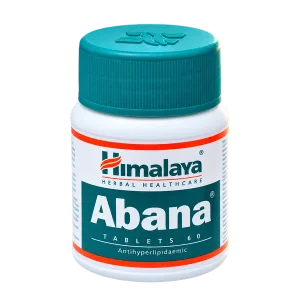
Abana

Active ingredient: Abana
60pills
From AED 382.70
bottles
3.3 (3)

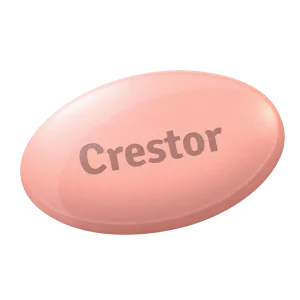
Crestor

Active ingredient: Rosuvastatin
10mg 20mg 5mg
From AED 430.00
pills
3.6 (4)

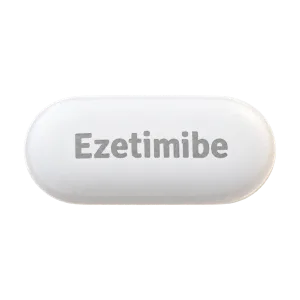
Ezetimibe Current

Active ingredient: Ezetimibe
10mg
From AED 438.60
pills
4.2 (3)

Comparison table: Cholesterol Management

Common questions

What should I discuss with a doctor before starting Ezetimibe?

Discuss your full lipid profile, history of coronary heart disease, liver disease, kidney disease, thyroid problems, and unexplained muscle symptoms. List every regular medicine, including cyclosporine, warfarin, fibrates, bile acid sequestrants, and cholesterol-related supplements. The EMA product information for ezetimibe, updated in 2023, highlights liver-related precautions with statin combination therapy and interaction monitoring with selected medicines.

Can Ezetimibe be used by people under 18?

Ezetimibe may be used in selected paediatric patients under specialist supervision, usually when familial hypercholesterolaemia causes markedly raised LDL-C. The decision depends on age, diagnosis, family history, growth considerations, and whether diet and other interventions have been sufficient. WHO cardiovascular prevention materials updated in 2023 emphasise early assessment of inherited lipid disorders because lifetime LDL-C exposure influences future cardiovascular risk. Treatment in younger people should follow an individual clinician-led plan.

How does Ezetimibe differ from a statin?

Ezetimibe reduces cholesterol absorption in the small intestine through NPC1L1 inhibition. A statin reduces cholesterol production in the liver through HMG-CoA reductase inhibition. The EMA explained in its 2023 clinical product information that these complementary actions are why the treatments are often used together when additional LDL-C reduction is needed. Ezetimibe is not interchangeable with a statin, since each treatment targets a different step in cholesterol handling.

How long does an Ezetimibe course last, and is long-term use acceptable?

Ezetimibe is usually used as a continuing treatment for cholesterol control rather than a brief course. Long-term use can be appropriate when it remains well tolerated and lipid monitoring shows that it contributes to the LDL-C goal. The European Society of Cardiology guidance published in 2021 supports sustained LDL-C reduction for people whose cardiovascular risk requires ongoing management. Follow-up testing helps confirm whether the treatment plan remains suitable.

Can Ezetimibe be combined with warfarin?

Ezetimibe can be used with warfarin when clinically appropriate, though INR monitoring is needed because changes in anticoagulant effect have been reported. Watch for signs of bleeding such as unexplained bruising, prolonged nosebleeds, blood in urine, or black stools. The FDA prescribing information revised in 2023 advises monitoring INR when ezetimibe is introduced in people taking warfarin or another coumarin anticoagulant. Do not adjust warfarin independently.

Do you offer anonymous delivery?

Your order will be securely packed and shipped within 24 hours. This is exactly what your package will look like (images of an actual item sent). It has the size and look of a regular private letter (24x11x0.7 cm) and its contents cannot be seen.

Sources

  1. European Medicines Agency (2023). Summary of Product Characteristics (SmPC) — ezetimibe.
  2. National Center for Biotechnology Information (2022). Ezetimibe — StatPearls.
  3. Cannon CP, et al. (2015). Ezetimibe Added to Statin Therapy after Acute Coronary Syndromes.
  4. European Society of Cardiology (2021). ESC Guidelines on cardiovascular disease prevention in clinical practice.

Reviews: Ezetimibe

Daniel R., 39
Al Nahda
Nearly three months
Verified
Rating: 3 out of 5
I used Ezetimibe alongside my regular cholesterol plan for nearly three months. My follow-up LDL-C result improved, although I had mild stomach looseness during the first few days. It settled without me needing to stop.
16 Oct 2026
Zubair, 57
Mussafah
Four months
Verified
Rating: 5 out of 5
I took Ezetimibe every evening for four months and kept my meals more consistent as well. My next cholesterol test showed a clear LDL-C drop, and I was pleased that adding one tablet fit easily into my routine.
31 Oct 2026
Saeed Z., 54
Al Dhaid
Several months
Verified
Rating: 4.5 out of 5
I had used the tablets for several months before my follow-up blood work. The LDL-C result was lower than my previous test, and I was satisfied with how straightforward the daily routine became.
11 Nov 2026
Get our free app Shop faster and track your orders 3.9 · 268 reviews Install