Skip to content
Save up to 80% Fast & Discrete Delivery
Bupropion
Quality products
Fast & Discrete Delivery
Money-back guarantee

Bupropion

4 (3 customer reviews)
Delivery: from 4 days
Payment
24/7 Support
Active ingredient: Bupropion

Free delivery on orders from AED 860.00, free express delivery from AED 1,290.00

256-bit SSL
Certified pharmacy
Money-back guarantee

Depression and seasonal mood changes can involve low energy, reduced pleasure, and impaired concentration. Bupropion contains bupropion hydrochloride, an atypical antidepressant for adults with major depressive disorder or seasonal affective disorder.

Product information

Bupropion is an atypical antidepressant containing bupropion hydrochloride. It belongs to the norepinephrine and dopamine reuptake inhibitor class and is available here as sustained-release tablets.

Ingredients

The active substance is bupropion hydrochloride. This product uses sustained-release tablets, meaning the dose is released over time rather than all at once. The tablet structure matters: crushing, chewing, or splitting a sustained-release tablet can release too much medicine too quickly and raise the risk of adverse effects.

Administration and Dose Schedule

Dosing differs between strengths and between users, so there is no single amount that suits everyone. A common prescribing plan begins with one tablet daily, then moves to one tablet twice daily when tolerated.

  • Swallow the tablet whole with water.
  • Take doses at least eight hours apart.
  • Take the second daily dose earlier rather than close to bedtime.
  • Do not take more than one dose at a time.
  • Keep the same daily timing once the prescribed schedule is established.
For many people, the second sustained-release dose works best in the early afternoon. Taking it late in the evening is a frequent reason for new sleep problems.

Therapeutic indications

Bupropion is a norepinephrine and dopamine reuptake inhibitor, often shortened to NDRI or DNRI. It is used for major depressive disorder and may be prescribed to prevent seasonal affective disorder episodes. Sustained-release Bupropion tablets are designed to release the active substance gradually during the day. The FDA-approved prescribing information describes its use in depression and includes detailed seizure-risk precautions. [1]

Bupropion may suit people who experience low motivation, fatigue, reduced concentration, or sexual side effects with serotonin-focused antidepressants. It can feel more activating than many SSRIs, so it is not always the best first choice for someone with marked insomnia, agitation, or panic symptoms.

Bupropion can reduce nicotine cravings and withdrawal symptoms in smoking cessation programmes. Its effect is thought to involve dopamine and norepinephrine pathways linked with reward and reinforcement. The WHO tobacco cessation guideline includes bupropion among evidence-based pharmacotherapies for adults trying to stop smoking. [3]

Treatment-resistant depression may lead a psychiatrist to consider Bupropion as a switch option or as an add-on to another antidepressant. This is specialist prescribing territory because activating effects, interaction risks, and mood-switching risk in bipolar spectrum illness need active monitoring.

Dosage and administration

Dosing differs between strengths and between users, so there is no single amount that suits everyone. A common prescribing plan begins with one tablet daily, then moves to one tablet twice daily when tolerated.

  • Swallow the tablet whole with water.
  • Take doses at least eight hours apart.
  • Take the second daily dose earlier rather than close to bedtime.
  • Do not take more than one dose at a time.
  • Keep the same daily timing once the prescribed schedule is established.
For many people, the second sustained-release dose works best in the early afternoon. Taking it late in the evening is a frequent reason for new sleep problems.

Bupropion sustained-release tablets may be taken with or without food. Taking a dose with food can help if nausea occurs, while the daily schedule should remain consistent. The FDA label updated in 2023 specifies that tablets should be swallowed whole and not crushed, divided, or chewed. Food does not change the need to separate twice-daily doses adequately.

When not to use it

Bupropion must not be combined with a monoamine oxidase inhibitor, known as an MAOI. A suitable washout period is required when changing between Bupropion and an MAOI because the combination can cause dangerous blood-pressure reactions.

  • Seizure disorder.
  • Current or previous diagnosis of bulimia nervosa or anorexia nervosa.
  • Abrupt withdrawal from alcohol, benzodiazepines, barbiturates, or anti-seizure medicines.
  • Bipolar disorder or a history of mania or hypomania.
  • Severe liver impairment, where medicine levels may rise.
  • Kidney impairment, where metabolites may accumulate.
  • Uncontrolled high blood pressure.
  • Medicines that lower seizure threshold, including some antipsychotics, systemic corticosteroids, tramadol, and certain malaria treatments.
  • Pregnancy or breastfeeding, where treatment planning needs an individual risk-benefit review.

When this is not for you

This is NOT for you if you have a seizure disorder, a current or previous diagnosis of bulimia nervosa or anorexia nervosa, or if you are stopping alcohol, benzodiazepines, barbiturates, or anti-seizure medicines abruptly.

Do not try to compensate for a missed dose by taking two tablets together. Higher single exposures are a recognised seizure-risk trigger with sustained-release Bupropion.

Possible side effects

Dry mouth, headache, nausea, constipation, sweating, tremor, restlessness, and insomnia are among the more frequent effects with Bupropion. These symptoms often appear early, when the activating effect is most noticeable. A dry mouth can be bothersome but is usually manageable with regular water intake and sugar-free gum.

Sleep disruption deserves practical attention. Unlike sedating antidepressants, Bupropion can make some people feel alert or wired, especially after a dose increase. It may also reduce appetite or cause modest weight loss in some users. Those features can be welcome for one person and problematic for another.

Effect pattern Examples Practical response
Common early effects Dry mouth, headache, nausea, insomnia Adjust dose timing with the prescriber’s plan
Activating effects Anxiety, tremor, restlessness Report persistent symptoms promptly
Urgent symptoms Seizure, severe rash, mania, suicidal thoughts Seek urgent medical assessment

Bupropion lowers the seizure threshold. The risk rises with excessive doses, abrupt alcohol withdrawal, certain interacting medicines, eating disorders, or a personal seizure history. The FDA label also warns about mood or behavioural changes, including emerging suicidal thinking, especially early in treatment or after a dose change. [2]

Bupropion can produce a false-positive result for amphetamines in some urine screening tests. If workplace or clinical testing is expected, declare prescribed Bupropion before the sample is interpreted.

How it affects the body

Bupropion slows the reuptake of dopamine and norepinephrine in nerve cells. Reuptake is the process by which a released neurotransmitter is taken back into a nerve ending. By slowing that process, Bupropion leaves more dopamine and norepinephrine available for signalling between brain cells.

Dopamine is involved in motivation, reward, attention, and the ability to experience pleasure. Norepinephrine supports alertness, concentration, and energy. Bupropion does not work mainly through serotonin, which separates it from SSRIs such as sertraline and fluoxetine.

The medicine is metabolised in the liver, largely through the CYP2B6 enzyme. Hydroxybupropion is an active metabolite, meaning it also contributes to the clinical effect after Bupropion is absorbed. This helps explain why consistent dosing matters and why improvement may build gradually rather than appearing after the first tablet.

Role of Active Metabolites

Hydroxybupropion remains in the body longer than bupropion itself and has activity at norepinephrine transporters. Medicines that affect CYP2B6 can alter exposure to bupropion and hydroxybupropion.

Tell the prescriber about medicines used for HIV, tuberculosis, epilepsy, or Parkinson’s disease. Several of these can alter CYP2B6 activity and change how Bupropion behaves in the body.

Common mistakes

Several avoidable mistakes reduce tolerability or create unnecessary risk.

  • Taking the evening dose too late and then assuming Bupropion cannot be tolerated.
  • Crushing or chewing a sustained-release tablet because swallowing feels inconvenient.
  • Doubling the next dose after forgetting one.
  • Stopping suddenly after a difficult day rather than reporting the symptom pattern.
  • Underestimating alcohol use or forgetting to mention a previous seizure.
  • Expecting the medicine to remove nicotine cravings or depression symptoms immediately.

A sudden surge of energy does not always mean depression has improved. If it comes with reduced need for sleep, impulsivity, irritability, or unusually rapid speech, it needs prompt clinical assessment.

Comparison

Bupropion, SSRIs, and SNRIs are all used in depressive disorders, yet their neurotransmitter targets differ. SSRIs primarily increase serotonin signalling. SNRIs affect serotonin and norepinephrine. Bupropion acts mainly on norepinephrine and dopamine.

Medicine group Main neurotransmitter action Typical clinical trade-off
Bupropion Norepinephrine and dopamine Less sexual dysfunction for many people; may worsen insomnia or anxiety
SSRIs Serotonin Often useful for anxiety; sexual effects and emotional blunting may occur
SNRIs Serotonin and norepinephrine May help depression with pain symptoms; can raise blood pressure or cause withdrawal symptoms

Sertraline, the active ingredient in Zoloft, and fluoxetine, the active ingredient in Prozac, are SSRIs. They are often selected when depression occurs alongside obsessive thoughts, panic symptoms, or generalised anxiety. Bupropion may be preferred where fatigue, low drive, and SSRI-related sexual dysfunction are dominant concerns.

Venlafaxine, the active ingredient in Effexor, is an SNRI. It affects serotonin and norepinephrine, while Bupropion does not directly target serotonin transporters. Venlafaxine can be useful where pain symptoms coexist with depression, though stopping it too quickly can cause discontinuation symptoms. NICE depression guidance supports individual selection based on symptoms, previous response, adverse effects, and coexisting conditions. [4]

Escitalopram is an SSRI that is often considered when anxiety is a major part of depression. Duloxetine is an SNRI that may be considered when depression occurs alongside diabetic neuropathic pain, fibromyalgia, or chronic musculoskeletal pain. Buspirone is an anxiolytic medicine used for generalised anxiety disorder and does not treat depression in the same way as Bupropion.

No antidepressant is universally preferable. Bupropion has a useful place for people who need a less sedating option or who struggled with sexual adverse effects on serotonergic treatment. Its limitation is clear: it can be too stimulating for people prone to insomnia, agitation, seizures, or manic episodes.


What doctors say

In clinical practice, prescribers often explain that Bupropion is a gradual treatment rather than a same-day mood lift. Early changes may include better wakefulness, less daytime slowing, or improved task initiation before mood fully improves. A meaningful antidepressant response is usually judged after consistent use over several weeks.

Doctors also screen for bipolar symptoms before starting treatment. A past period of unusually high energy, little need for sleep, impulsive spending, or racing thoughts can change the treatment plan. MOHAP-aligned prescribing practice requires that mental-health medicines are used under medical supervision, with regular review of benefit, blood pressure, sleep, and mood changes.

Comparison

Anafranil

Active ingredient: Clomipramine
25mg 50mg 75mg 10mg
From AED 374.10
pills
3.8 (3)

Bupropion Current

Active ingredient: Bupropion
150mg
From AED 374.10
pills
4 (3)

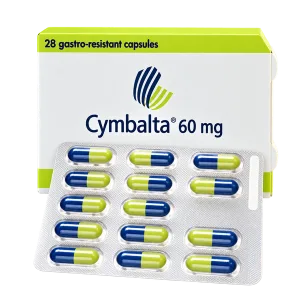
Cymbalta

Active ingredient: Duloxetine
20mg 30mg 40mg 60mg
From AED 374.10
pills
3.8 (5)

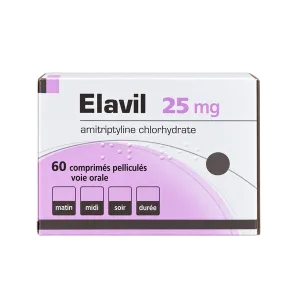
Elavil

Active ingredient: Amitriptyline
25mg 50mg 75mg 10mg
From AED 352.60
pills
3.9 (4)

Comparison table: Antidepressants

Common questions

Is Bupropion suitable for older adults?

Older adults can use Bupropion when it is clinically appropriate, though prescribers usually review kidney function, liver function, blood pressure, seizure history, and all concurrent medicines first. The FDA prescribing information advises cautious dose selection where organ function is reduced, since bupropion metabolites may accumulate. In 2023, the American Geriatrics Society Beers Criteria also reinforced the value of medication review in older adults using centrally acting medicines. Falls, insomnia, agitation, and blood-pressure changes deserve attention. Follow-up can help distinguish expected activation from a clinically concerning change.

What should I do after a missed Bupropion dose?

Skip the missed dose if the next planned dose is approaching. Take the next dose at the regular time and do not take an extra tablet to make up for the omission. The FDA’s 2023 prescribing information links excessive single-dose exposure with higher seizure risk. Keeping doses at least eight hours apart protects the sustained-release schedule.

How does Bupropion differ from sertraline?

Bupropion works mainly through norepinephrine and dopamine, while sertraline is an SSRI that acts mainly on serotonin. Sertraline may be more suitable where anxiety disorders, panic symptoms, or obsessive-compulsive symptoms are central. Bupropion often causes fewer sexual side effects than SSRIs, while insomnia and activation can be more prominent. NICE guidance published in 2022 supports selecting antidepressants according to symptom pattern, adverse-effect priorities, and previous response.

Can Bupropion be taken with food or on an empty stomach?

Bupropion sustained-release tablets may be taken with or without food. Taking a dose with food can help if nausea occurs, while the daily schedule should remain consistent. The FDA label updated in 2023 specifies that tablets should be swallowed whole and not crushed, divided, or chewed. Food does not change the need to separate twice-daily doses adequately.

What should I discuss with a doctor before starting Bupropion?

Discuss any seizure, head injury, eating disorder, bipolar disorder, high blood pressure, liver disease, kidney disease, alcohol use, or past antidepressant-related agitation. Provide a full medicine list, including tramadol, antipsychotics, corticosteroids, MAOIs, nicotine products, and medicines that affect CYP2B6. WHO guidance from 2024 stresses assessment of mental-health symptoms, substance use, and physical health when treatment is planned. Mention pregnancy intentions or breastfeeding as well, since this can affect the treatment choice.

Do you offer anonymous delivery?

Your order will be securely packed and shipped within 24 hours. This is exactly what your package will look like (images of an actual item sent). It has the size and look of a regular private letter (24x11x0.7 cm) and its contents cannot be seen.

Sources

  1. U.S. Food and Drug Administration (2023). Wellbutrin SR: Prescribing Information
  2. U.S. Food and Drug Administration (2023). Bupropion Hydrochloride Extended-Release Tablets: Medication Guide
  3. World Health Organization (2024). WHO Clinical Treatment Guideline for Tobacco Cessation in Adults
  4. National Institute for Health and Care Excellence (2022). Depression in Adults: Treatment and Management

Reviews: Bupropion

Karim B., 36
Al Reem Island
3 weeks
Verified
Rating: 5 out of 5
I used Bupropion for low motivation and poor concentration. During the third week, I noticed I was getting through my work list without postponing every task. The improvement was gradual, but I felt much more like myself by the second month.
12 Oct 2026
Omar, 57
Ajman
Several days
Verified
Rating: 2.5 out of 5
I stopped after several days because my sleep became very light and I felt restless in the evenings. I spoke with my doctor instead of continuing on my own. It was not a good fit for me.
26 Oct 2026
Joseph, 57
Mussafah
Several weeks
Verified
Rating: 4.5 out of 5
I had been feeling flat and tired for months before starting Bupropion. After several weeks, I was waking up with more energy and started walking before work again. I was satisfied because the change felt steady rather than dramatic.
9 Nov 2026
Get our free app Shop faster and track your orders 4.0 · 264 reviews Install