Skip to content
Save up to 80% Fast & Discrete Delivery
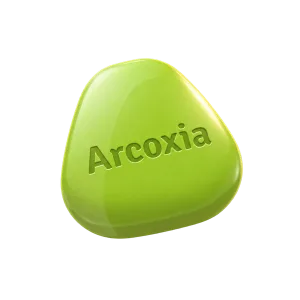
Arcoxia
Quality products
Fast & Discrete Delivery
Money-back guarantee

Arcoxia

4.2 (3 customer reviews)
Delivery: from 4 days
Payment
24/7 Support
Active ingredient: Etoricoxib

Free delivery on orders from AED 860.00, free express delivery from AED 1,290.00

256-bit SSL
Certified pharmacy
Money-back guarantee

Adults with osteoarthritis, rheumatoid arthritis, ankylosing spondylitis, or acute gout-related joint pain may be prescribed Arcoxia for inflammatory pain control. Arcoxia contains etoricoxib, a selective COX-2 inhibitor that reduces prostaglandins involved in pain, swelling, and stiffness.

Product information

It is intended for adults whose symptoms need targeted anti-inflammatory treatment.

Unlike older NSAIDs that block both COX-1 and COX-2 enzymes, etoricoxib mainly inhibits cyclooxygenase-2, known as COX-2.

Ingredients

Arcoxia contains etoricoxib, a non-steroidal anti-inflammatory drug, or NSAID. Unlike older NSAIDs that block both COX-1 and COX-2 enzymes, etoricoxib mainly inhibits cyclooxygenase-2, known as COX-2.

COX-2 becomes more active during inflammation. By reducing its activity, Arcoxia can ease joint tenderness, swelling, reduced mobility, and pain during inflammatory flare-ups.

Arcoxia does not repair cartilage or reverse arthritis. It controls symptoms while it is being taken.

Practical tip: Arcoxia is generally taken once daily because etoricoxib remains active for a full day. Taking it at a similar time each day can make routine use easier.

The European Medicines Agency describes etoricoxib as a selective COX-2 inhibitor used for inflammatory musculoskeletal conditions in adults [1].

Therapeutic indications

Arcoxia is used to relieve pain and inflammation in several adult inflammatory joint conditions. The chosen dose depends on the diagnosis, symptom severity, age, kidney function, cardiovascular history, and other medicines.

Common clinical uses include:

  • Osteoarthritis: helps reduce pain and stiffness linked to cartilage wear and local joint inflammation.
  • Rheumatoid arthritis: may reduce painful, swollen joints as part of a broader treatment plan.
  • Ankylosing spondylitis: can help manage inflammatory back pain, morning stiffness, and reduced spinal movement.
  • Acute gout: may be used for short-term control of intense pain and inflammation during an attack.
  • Short-term dental or post-procedure pain: may be prescribed when a clinician considers it appropriate.

For gout, symptom relief can be rapid, yet Arcoxia does not lower uric acid or prevent future attacks by itself. Long-term gout control relies on addressing urate levels and recognised triggers.

NICE guidance on osteoarthritis recognises oral NSAIDs as an option when individual gastrointestinal, renal, liver, and cardiovascular risks have been assessed [2].

Dosage and administration

Arcoxia tablets are swallowed with water and may be taken with or without food. Food does not meaningfully reduce the amount of etoricoxib absorbed, though taking it after a meal may feel more comfortable for people prone to dyspepsia.

The dose is decided individually, taking age, other medicines and health conditions into account. Higher-intensity treatment is generally reserved for acute or more severe inflammatory pain and is used for the shortest suitable period.

Common administration mistakes include:

  • Taking an extra tablet when pain returns before the next planned dose.
  • Combining Arcoxia with ibuprofen, diclofenac, naproxen, or another NSAID.
  • Using it for recurring pain without reviewing rising blood pressure or ankle swelling.
  • Taking it during vomiting, diarrhoea, or poor fluid intake, when the kidneys may be under strain.
  • Continuing it through new chest discomfort, breathlessness, black stools, or facial swelling.

If a dose is missed, it is usually taken when remembered on the same day. If the next dose is due soon, the missed dose should be skipped rather than doubled.

Practical tip: Do not use Arcoxia together with another anti-inflammatory painkiller unless a prescriber has specifically planned the combination. Two NSAIDs increase harm more reliably than pain relief.

When not to use it

Arcoxia is not indicated in people with an active stomach or intestinal ulcer, gastrointestinal bleeding, severe kidney disease, severe liver disease, uncontrolled high blood pressure, established heart failure, or known allergy to etoricoxib or related NSAIDs.

It is also unsuitable for people with inflammatory bowel disease, including Crohn’s disease or ulcerative colitis. Established ischaemic heart disease, peripheral arterial disease, or previous stroke require careful cardiovascular assessment before etoricoxib is considered.

NSAIDs can affect fetal circulation and kidney function later in pregnancy. Breastfeeding decisions require individual clinical advice because safety data are limited.

Etoricoxib can interact with diuretics, ACE inhibitors, and angiotensin-receptor blockers, increasing the risk of acute kidney injury. Aspirin, clopidogrel, warfarin, and anticoagulants can increase bleeding concerns when combined with an NSAID.

Warfarin needs special attention because etoricoxib can increase the international normalised ratio, or INR, in some people. Other interactions include lithium, methotrexate, ciclosporin, and tacrolimus.

EMA product information advises attention to blood pressure, fluid retention, renal function, gastrointestinal disease, and cardiovascular risk when etoricoxib is prescribed [4].

When this is not for you

Arcoxia may not be suitable if you have had a stomach ulcer or bleeding, serious heart or kidney problems, severe liver disease, uncontrolled blood pressure, or an allergy to this type of painkiller. Extra caution is needed if you have heart or circulation disease, bowel inflammation, are pregnant, or take medicines for blood pressure, fluid retention, blood clot prevention, or kidney-related conditions.

Possible side effects

Arcoxia is often tolerated without major difficulty, yet side effects can occur. Headache, dizziness, indigestion, abdominal discomfort, diarrhoea, nausea, tiredness, and raised blood pressure are among the reactions reported with etoricoxib.

Fluid retention can appear as puffy ankles, tighter shoes, or unexplained weight increase over several days. This detail is easy to overlook because joint inflammation itself can also limit movement and cause discomfort.

Blood pressure can rise.

More serious reactions need prompt assessment. These include chest pain, sudden shortness of breath, weakness on one side of the body, black or bloody stools, vomiting blood, severe abdominal pain, yellowing of the eyes, markedly reduced urine, or a blistering rash. Such symptoms can indicate cardiovascular, gastrointestinal, liver, kidney, or severe allergic complications.

Clinical safety data reviewed for etoricoxib identify hypertension and oedema as clinically relevant adverse effects, alongside gastrointestinal and renal risks shared by NSAIDs [3].

Practical tip: Home blood-pressure readings are useful when Arcoxia is used beyond a brief period. A sustained rise, new ankle swelling, or breathlessness deserves a prescriber review.

How it affects the body

Etoricoxib suppresses prostaglandin synthesis by blocking the COX-2 enzyme. Prostaglandins are chemical messengers produced at sites of injury or inflammation. They sensitise pain receptors, contribute to swelling, and can make stiff joints feel more painful after rest.

COX-1 has a different role. It helps protect the stomach lining, supports kidney blood flow, and contributes to platelet activity. Traditional NSAIDs such as ibuprofen and diclofenac inhibit both COX-1 and COX-2. Arcoxia is more selective for COX-2, which may reduce some upper gastrointestinal irritation compared with non-selective NSAIDs.

That benefit has limits. COX-2 selectivity does not remove the risk of ulcers, bleeding, kidney problems, fluid retention, or cardiovascular events.

Practical tip: A stomach-friendly feeling does not mean the medicine is suitable for unlimited or prolonged use. The lowest dose that controls symptoms is the clinical goal.

Common mistakes

The most frequent mistake is treating Arcoxia as interchangeable with every other pain tablet. It is an NSAID with a distinct COX-2 profile, so combining it with ibuprofen, diclofenac, or naproxen is not a harmless way to obtain stronger relief.

Another mistake is overlooking gradual fluid retention. Ankle swelling may be medicine-related.

Some people stop all movement once pain improves. Gentle mobility and strengthening are often easier once inflammation settles, and inactivity can make stiffness return faster.

Alcohol can aggravate indigestion and increase gastrointestinal bleeding risk with NSAIDs. Heavy alcohol intake also adds pressure to the liver and makes it harder to interpret new abdominal symptoms.

Comparison

Arcoxia, diclofenac, ibuprofen, and paracetamol can all be used in pain management, yet they work differently. The best option depends on whether inflammation is driving the pain, how often treatment is needed, and a person’s cardiovascular, stomach, kidney, and bleeding risks.

Medicine or class Main mechanism Key clinical consideration
Arcoxia / etoricoxib Selective COX-2 inhibitor Less COX-1 inhibition, yet cardiovascular and blood-pressure risks remain
Ibuprofen or diclofenac Non-selective NSAIDs Can irritate the stomach and affect kidneys; cardiovascular risk varies by medicine and dose
Paracetamol Central pain-relieving action Does not treat inflammation and requires caution in liver disease

Etoricoxib may suit some people who have troublesome upper-stomach symptoms with non-selective NSAIDs. It is not automatically preferable for someone with hypertension, heart disease, kidney impairment, or fluid retention.

Paracetamol does not have the anti-inflammatory action of Arcoxia. It may be used for some mild pain states, though it is not a substitute when active inflammatory arthritis is the main cause of pain.

A Cochrane review of oral etoricoxib found analgesic benefit in acute pain settings, while reinforcing that drug choice must account for the adverse-effect profile of COX-2 inhibitors [5].

What doctors say

In clinical practice, doctors often focus less on whether an anti-inflammatory works and more on whether it is the right anti-inflammatory for that person. Arcoxia can provide sustained daily pain control, which is useful for inflammatory stiffness or recurrent joint symptoms. Its limitations are clear: it can raise blood pressure, cause fluid retention, and create avoidable kidney stress in susceptible patients.

A clinician will often reassess continued use when pain becomes frequent rather than episodic. Persistent pain may need a diagnosis review, physiotherapy, weight-management support where relevant, disease-modifying treatment for inflammatory arthritis, or gout prevention therapy.

For acute gout, etoricoxib can calm inflammation but does not address the urate level that drives future crystal formation. For osteoarthritis, reduced pain can make movement easier, but regular strengthening and joint-friendly activity still matter.

Comparison

Aleve

Active ingredient: Naproxen
250mg 500mg
From AED 399.90
pills
3.6 (5)

Arcoxia Current

Active ingredient: Etoricoxib
120mg 60mg 90mg
From AED 442.90
pills
4.2 (3)

Celebrex

Active ingredient: Celecoxib
100mg 200mg
From AED 374.10
pills
4 (5)

Diclofenac

Active ingredient: Diclofenac
100mg 50mg
From AED 434.30
pills
3.6 (4)

Feldene

Active ingredient: Piroxicam
20mg 10mg
From AED 116.10
capsules
3.9 (5)

Comparison table: Pain Relief

Common questions

How soon does Arcoxia become noticeable?

Pain relief may begin on the day of the first dose, though the timing varies with the condition being treated and the intensity of inflammation. Acute gout pain can settle faster than long-standing osteoarthritis stiffness, where improvement may be more gradual. EMA pharmacology data from 2023 show that etoricoxib is absorbed after oral administration and has a duration that supports once-daily dosing. Persistent severe pain despite treatment should prompt reassessment rather than extra dosing.

What is the best time of day to take Arcoxia?

Arcoxia can be taken at a time that fits the prescribed schedule, with or without food. A consistent daily time can reduce missed doses and helps identify whether symptoms such as dizziness occur after dosing. MOHAP medication-safety principles published in 2023 support using a regular routine for medicines taken once daily. People who notice stomach discomfort may prefer taking it after a meal.

Can Arcoxia tablets be split, crushed, or chewed?

Arcoxia tablets should be swallowed whole unless a prescriber has specifically advised another method. Crushing or chewing can make the dose harder to take accurately and may increase unpleasant taste or throat irritation. EMA product information from 2023 presents etoricoxib as an oral tablet intended for swallowing. People with swallowing difficulties should seek a prescriber-led alternative rather than altering tablets independently.

Which diet, exercise, or habits can help or hinder results with Arcoxia?

For osteoarthritis, low-impact movement, muscle strengthening, sleep, and weight management where needed can improve function alongside pain control. During gout, adequate hydration and limiting alcohol excess may reduce common flare triggers, while urate-lowering treatment addresses the underlying cause. WHO guidance from 2020 supports physical activity as part of long-term musculoskeletal health. Smoking and untreated high blood pressure can worsen cardiovascular risk, which matters with COX-2 inhibitors.

Can Arcoxia be combined with blood thinners such as Eliquis, Xarelto, or Pradaxa?

Eliquis, Xarelto, and Pradaxa should only be combined with Arcoxia when the prescriber has weighed bleeding risk against the expected benefit. These anticoagulants include apixaban, rivaroxaban, and dabigatran, which reduce clot formation. EMA safety information from 2023 highlights gastrointestinal bleeding as a concern when medicines affecting haemostasis are used together. Black stools, vomiting blood, unusual bruising, or persistent weakness require urgent medical assessment.

How does Arcoxia differ from ibuprofen?

Arcoxia contains etoricoxib and selectively targets COX-2, while ibuprofen blocks both COX-1 and COX-2. This difference may mean less disruption of protective stomach prostaglandins for some people, though neither option is free of gastrointestinal risk. NICE guidance from 2022 recommends choosing an NSAID after considering cardiovascular, kidney, liver, gastrointestinal, and medicine-interaction factors. Ibuprofen may be suitable for short-term pain in some adults, while Arcoxia may be chosen when once-daily COX-2-selective treatment fits the clinical picture.

Do you offer anonymous delivery?

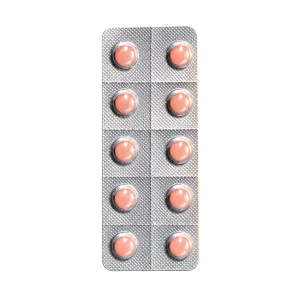
Your order will be securely packed and shipped within 24 hours. This is exactly what your package will look like (images of an actual item sent). It has the size and look of a regular private letter (24x11x0.7 cm) and its contents cannot be seen.

Storage at Home and While Travelling

How should Arcoxia be stored at home and while travelling?

Sources

  1. European Medicines Agency (2023). Arcoxia: EPAR – Product Information
  2. National Institute for Health and Care Excellence (2022). Osteoarthritis in over 16s: diagnosis and management
  3. European Medicines Agency (2023). Arcoxia: Summary of Product Characteristics
  4. European Medicines Agency (2023). Arcoxia: Package Leaflet
  5. Cochrane (2014). Single dose oral etoricoxib for acute postoperative pain in adults

Reviews: Arcoxia

Nadeem, 54
Al Nahda
Several days
Verified
Rating: 3.5 out of 5
I used Arcoxia at the prescribed dose for several days for recurring knee inflammation and the pain eased enough for me to manage stairs again. I had mild ankle puffiness after several days, so I arranged a review and was more careful with blood-pressure checks.
1 Nov 2026
Joseph, 43
Al Majaz
One day
Verified
Rating: 5 out of 5
I took Arcoxia at the prescribed dose for one day during a painful gout flare in my big toe. By the next day I could put weight on the foot more comfortably and sleep without waking from the throbbing pain.
9 Nov 2026
Mohammed, 60
Khor Fakkan
Several days
Verified
Rating: 4 out of 5
I used Arcoxia at the prescribed dose for several days for stiffness from osteoarthritis in my hip. It made morning movement easier and I was satisfied that I could return to my regular walking routine.
12 Oct 2026
Get our free app Shop faster and track your orders 4.0 · 264 reviews Install