Skip to content
Save up to 80% Fast & Discrete Delivery
Aleve
Quality products
Fast & Discrete Delivery
Money-back guarantee

Aleve

3.6 (5 customer reviews)
Delivery: from 4 days
Payment
24/7 Support
Active ingredient: Naproxen

Free delivery on orders from AED 860.00, free express delivery from AED 1,290.00

256-bit SSL
Certified pharmacy
Money-back guarantee

Aleve tablets are taken by mouth for relief of pain, inflammation, and fever. They contain naproxen sodium, an NSAID suited to adults managing musculoskeletal pain, menstrual cramps, headache, toothache, or short-term painful conditions.

Product information

Aleve contains naproxen sodium, a nonsteroidal anti-inflammatory drug, or NSAID. Naproxen is often chosen when pain has an inflammatory component, such as a flare of arthritis, a strained muscle, or painful menstrual cramps. Its longer duration of action can be useful when pain returns before the next planned dose of a shorter-acting analgesic.

Ingredients

Aleve contains naproxen sodium, a nonsteroidal anti-inflammatory drug, or NSAID. NSAIDs reduce pain by lowering the production of prostaglandins, chemical messengers that sensitise nerves and contribute to swelling, tenderness, and fever. Naproxen sodium is absorbed systemically, so its action is not limited to one body area. [1]

Swallow Aleve tablets whole with water. Crushing or chewing a tablet can make it harder to tolerate and does not improve pain control.

Therapeutic indications

Aleve is used for common painful conditions where inflammation, tissue strain, or prostaglandin activity play a role. In clinical practice, people often report the most useful relief when pain is aching, stiff, throbbing, or worsened by movement.

Pain or condition How Aleve may help
Arthritis pain and joint stiffness Reduces inflammatory pain and tenderness
Muscle pain, sprains, and backache Helps relieve pain linked to strain or soft-tissue inflammation
Menstrual pain Lowers prostaglandin-driven uterine cramping
Headache, toothache, and minor body pain Provides systemic analgesic relief

Arthritis pain may respond when stiffness and inflammation are present, although persistent joint swelling, a hot joint, or a sudden loss of movement needs medical assessment. For muscle pain and backache, Aleve can reduce discomfort while the tissue settles, but it does not correct poor posture, nerve compression, or a significant injury.

Menstrual pain is one of the more logical uses for an NSAID because prostaglandins drive uterine contractions. Toothache and headache may improve temporarily, yet dental infection, migraine with neurological symptoms, or repeated severe headaches need treatment directed at their cause.

For toothache, pain relief can make eating and sleeping easier, but facial swelling, fever, pus, or pain that spreads toward the ear or jaw needs urgent dental care.

Aleve has two linked actions: analgesic action for pain relief and antipyretic action for fever reduction. It lowers fever by reducing prostaglandin activity in the brain’s temperature-regulating centre. The World Health Organization includes naproxen among established anti-inflammatory analgesics used for pain management. [5]

The tablet can be useful for short episodes of fever accompanied by body aches, muscle pain, or inflammatory discomfort. A fever is a symptom, not a diagnosis. Fever with confusion, breathing difficulty, dehydration, a stiff neck, or a widespread rash requires prompt medical care.

Naproxen’s longer activity may suit pain that lasts through work, sleep, or ordinary movement. This can also be a disadvantage if it causes stomach upset or dizziness, since the effect is not as brief as that of some alternatives.


Dosage and administration

The amount per intake should be set individually rather than treated as one fixed dose for every person. Aleve is taken orally with water, using the lowest amount that controls symptoms for the shortest suitable period.

  • Take the individual amount at the agreed frequency.
  • Take it with food or milk if it causes stomach discomfort.
  • Avoid combining it with another NSAID unless a prescriber has specifically directed this.
  • Do not use it repeatedly for a persistent symptom without identifying the cause.
  • If it is being used on a regular schedule and a dose is missed, take it when remembered unless the next scheduled dose is near. Do not double the next dose.
A common mistake is taking an NSAID for a headache after already using an anti-inflammatory cold-and-flu product. Check active ingredients before combining symptom-relief products, because duplicate NSAID exposure raises stomach and kidney risks.

Alcohol can increase the likelihood of stomach irritation and gastrointestinal bleeding when used with naproxen. Keeping alcohol intake low or avoiding it during treatment is sensible, especially for people with a past ulcer or gastritis.

When not to use it

  • A previous stomach ulcer or gastrointestinal bleeding.
  • Severe kidney disease, severe heart failure, or serious liver disease.
  • Established coronary artery disease, poorly controlled high blood pressure, or a recent heart attack or stroke.
  • An upcoming coronary artery bypass graft operation.
  • Inflammatory bowel disease that is active or difficult to control.
  • A bleeding disorder or treatment with anticoagulants.

Naproxen can interact with warfarin and other anticoagulants, antiplatelet medicines, corticosteroids, selective serotonin reuptake inhibitors, lithium, methotrexate, ACE inhibitors, angiotensin receptor blockers, and diuretics. These combinations can increase bleeding risk, raise lithium or methotrexate exposure, or place extra stress on the kidneys.

When this is not for you

Aleve is not for you if you have had an allergic reaction, asthma attack, hives, or swelling after naproxen, aspirin, ibuprofen, or another NSAID. It is also unsuitable for people with active stomach or intestinal bleeding.

Avoid Aleve or use it only under direct medical direction if you have severe kidney disease, severe heart failure, serious liver disease, a previous stomach ulcer, heart disease, poorly controlled blood pressure, a recent heart attack or stroke, or a bleeding disorder.

Possible side effects

The most common unwanted effects are digestive: indigestion, nausea, stomach pain, heartburn, constipation, or diarrhoea. Some people also experience headache, dizziness, fluid retention, or a rise in blood pressure. These effects are more likely with repeated use, higher exposure, older age, dehydration, and combinations with interacting medicines.

Stop Aleve and seek urgent medical help for black stools, vomiting blood, severe stomach pain, chest pain, sudden weakness on one side, shortness of breath, facial swelling, wheezing, or a blistering rash. These are uncommon but serious warning signs.

Dark, tar-like stools are not ordinary indigestion. They can indicate gastrointestinal bleeding and need urgent assessment.

NSAIDs may reduce kidney blood flow, especially during vomiting, diarrhoea, heat exposure, or poor fluid intake. This matters in the UAE climate, where dehydration can develop quickly during outdoor activity. Drink water regularly unless you have been placed on fluid restriction for heart or kidney disease.

The FDA warns that NSAIDs can cause serious gastrointestinal bleeding and may raise cardiovascular risk, with greater concern in people with heart disease or risk factors such as hypertension and smoking. [2]

How it affects the body

Mechanism of Action in Nonsteroidal Anti-Inflammatory Drugs

Naproxen blocks cyclo-oxygenase enzymes, commonly called COX enzymes. These enzymes help the body make prostaglandins after tissue injury, during menstruation, and in inflammatory joint disease. Lower prostaglandin levels reduce pain signalling and can bring down an elevated temperature.

This mechanism explains a key trade-off. The same prostaglandins that drive pain also help protect the stomach lining, support kidney blood flow, and assist platelet function. Aleve can be helpful for inflammatory pain, yet it may irritate the stomach or affect kidney function in susceptible people.

Naproxen differs from paracetamol because it has a stronger anti-inflammatory action. It differs from topical pain gels because the tablet acts throughout the body rather than only where it is applied.

Common mistakes

  • Using Aleve daily for weeks for an undiagnosed painful joint.
  • Taking it on an empty stomach despite repeated heartburn.
  • Combining it with ibuprofen, diclofenac, or high-dose aspirin.
  • Assuming swelling after an injury is always minor, even when weight-bearing is difficult.
  • Continuing treatment through vomiting, diarrhoea, or dehydration.
  • Treating repeated fever without assessing the infection or other cause.
Keep a simple record of the symptom, time of each dose, and response. A clear pattern helps distinguish occasional pain from a problem that is becoming frequent.

Comparison

Pain medicines are not interchangeable. The preferred option depends on whether inflammation is present, how long relief is needed, and a person’s gastrointestinal, cardiovascular, kidney, and liver health.

Option Main role Key limitation
Naproxen sodium in Aleve Longer-acting NSAID for inflammatory pain, cramps, and fever Can irritate the stomach and affect kidneys or blood pressure
Ibuprofen Shorter-acting NSAID for pain and fever Also carries stomach, kidney, and cardiovascular risks
Paracetamol Pain and fever relief without anti-inflammatory action Less useful when inflammation is the main driver of pain

NICE guidance for osteoarthritis supports topical NSAIDs before oral NSAIDs when appropriate, because topical treatment limits whole-body exposure. Oral naproxen may be considered when pain needs systemic treatment, provided gastrointestinal and cardiovascular risks are reviewed. [3]

For a localised knee, hand, or shoulder ache, a topical NSAID may be enough. For menstrual cramps, widespread aches, or back pain affecting normal activity, an oral medicine can be more practical. People with a history of stomach ulcers or reduced kidney function need a more cautious choice.

What doctors say

Doctors usually separate occasional pain from persistent pain. Aleve may suit a short flare of inflammatory discomfort, yet pain that keeps returning can point to arthritis, migraine, endometriosis, dental disease, nerve pain, or another condition needing targeted treatment.

In clinical practice, the most preventable NSAID problems come from overlap. A person may take naproxen for back pain, then add ibuprofen for a headache, or use an aspirin-containing product without recognising that all three can affect the stomach and bleeding risk.

Older adults require extra care. The American Geriatrics Society Beers Criteria identifies non-selective oral NSAIDs as medicines that can raise the risk of gastrointestinal bleeding, ulceration, kidney injury, and blood-pressure problems in older people, especially with prolonged use. [4]

Comparison

Aleve Current

Active ingredient: Naproxen
250mg 500mg
From AED 399.90
pills
3.6 (5)

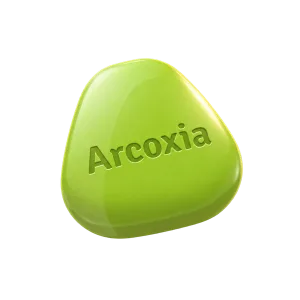
Arcoxia

Active ingredient: Etoricoxib
120mg 60mg 90mg
From AED 442.90
pills
4.2 (3)

Celebrex

Active ingredient: Celecoxib
100mg 200mg
From AED 374.10
pills
4 (5)

Diclofenac

Active ingredient: Diclofenac
100mg 50mg
From AED 434.30
pills
3.6 (4)

Feldene

Active ingredient: Piroxicam
20mg 10mg
From AED 116.10
capsules
3.9 (5)

Comparison table: Pain Relief

Common questions

Can Aleve affect driving or work with machinery?

Aleve does not usually cause sedation, yet naproxen can cause dizziness, headache, tiredness, or visual disturbance in some people. Do not drive, operate machinery, work at heights, or perform safety-critical tasks if you feel dizzy, less alert, or visually affected after taking it. The DailyMed naproxen information updated in 2024 lists dizziness among possible adverse effects. The first dose is best taken when you do not need to drive immediately.

Can Aleve be used during pregnancy or while breastfeeding?

Aleve should generally be avoided during pregnancy unless a clinician decides that the expected benefit outweighs the risk. NSAID use from around the middle of pregnancy can affect fetal kidney function and amniotic fluid, while use later in pregnancy can affect fetal circulation and labour. FDA safety communication published in 2020 advises avoiding NSAIDs from 20 weeks of pregnancy onward unless specifically directed. Naproxen can pass into breast milk, so breastfeeding use also needs individual medical advice.

Is Aleve suitable for older adults?

Older adults can be more sensitive to NSAID-related stomach bleeding, kidney injury, fluid retention, and blood-pressure changes. The risk rises further with anticoagulants, corticosteroids, diuretics, or several long-term conditions. The 2023 American Geriatrics Society Beers Criteria recommends avoiding chronic oral non-selective NSAID use in many older adults unless alternatives are unsuitable and protective measures are used. A short, individually planned course may still be appropriate for some people.

Can Aleve cause stomach ulcers?

Yes. Naproxen can irritate the stomach lining and, in some cases, cause an ulcer or gastrointestinal bleeding. Warning signs include persistent upper abdominal pain, black stools, faintness, or vomiting blood. Taking it with food may reduce dyspepsia, though food does not eliminate ulcer risk. The 2020 FDA NSAID safety information describes gastrointestinal bleeding as a serious possible adverse effect.

Can children or teenagers take Aleve?

Aleve should not be given to anyone under 18 without a paediatric clinician’s direction. Children need age- and weight-appropriate treatment choices, and the cause of fever or pain may need assessment rather than repeated self-treatment. WHO guidance published in 2023 stresses using medicines in formulations and regimens appropriate to the child. Seek urgent care for a child with severe pain, breathing difficulty, confusion, dehydration, or a persistent high fever.

How long can an Aleve course last, and is long-term use acceptable?

Aleve is best used for the shortest period that controls the symptom. A brief course may suit temporary muscle pain, menstrual cramps, or a minor injury, while regular ongoing use requires review of stomach, kidney, blood-pressure, and cardiovascular risk. NICE guidance from 2020 recommends reviewing oral NSAID need and risk factors rather than treating them as a routine indefinite option. Pain that repeatedly needs Aleve deserves a diagnosis and a longer-term plan.

Can I use Aleve if I have had a bleeding stomach ulcer?

No, a previous ulcer with bleeding is a strong reason to avoid Aleve unless a specialist has explicitly planned its use. Naproxen may trigger another gastrointestinal bleed, especially when combined with aspirin, anticoagulants, corticosteroids, or alcohol. The FDA's 2020 safety information identifies a past ulcer or gastrointestinal bleed as a major NSAID risk factor. Another pain-relief approach is usually preferred.

Do you offer anonymous delivery?

Your order will be securely packed and shipped within 24 hours. This is exactly what your package will look like (images of an actual item sent). It has the size and look of a regular private letter (24x11x0.7 cm) and its contents cannot be seen.

Sources

  1. DailyMed (2024). Aleve — naproxen sodium tablet, film coated.
  2. U.S. Food and Drug Administration (2020). FDA recommends avoiding use of NSAIDs in pregnancy at 20 weeks or later because they can result in low amniotic fluid.
  3. NICE (2020). Osteoarthritis in over 16s: diagnosis and management.
  4. American Geriatrics Society (2023). American Geriatrics Society 2023 updated AGS Beers Criteria for potentially inappropriate medication use in older adults.
  5. World Health Organization (2023). WHO Model List of Essential Medicines.

Reviews: Aleve

James, 26
Ruwais
Two days
Verified
Rating: 2.5 out of 5
I took it for two days, but the pain stayed sharp when I bent forward and I developed strong heartburn. I stopped using it and arranged a medical review because the pain was not improving.
12 Oct 2026
Imran, 53
Kalba
Several days
Verified
Rating: 4 out of 5
The stiffness eased enough for me to walk more comfortably at work and sleep without waking from the ache. I used it for several days and was satisfied with the relief.
24 Oct 2026
Yousef C., 45
Ajman
The weekend
Verified
Rating: 4 out of 5
The pulling pain across my shoulder settled over the weekend, and I could lift my arm normally again. It was useful for getting through the first few uncomfortable days.
27 Oct 2026
Tariq, 52
Jumeirah
Two days
Verified
Rating: 3.5 out of 5
It reduced the ache, but I felt mild stomach burning on the second day. Taking it after a proper meal made it easier to tolerate, although the back pain returned after driving again.
4 Nov 2026
Hassan, 41
Deira
Three days
Verified
Rating: 4 out of 5
The swelling-related ache became manageable enough for me to move around the office. I was pleased that it helped me rest more comfortably during the first few days.
7 Nov 2026
Get our free app Shop faster and track your orders 4.0 · 264 reviews Install