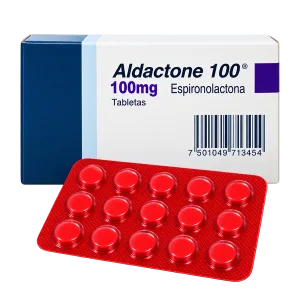
By blocking the blood-vessel tightening effect of angiotensin II, Diovan helps reduce resistance in the circulation and lower blood pressure. It is intended for adults whose hypertension or cardiovascular condition requires treatment that eases pressure on the heart and blood vessels.
Product information
It contains valsartan, an angiotensin II receptor blocker for adults with hypertension, heart failure, or reduced heart function after myocardial infarction. Its benefit comes from easing the workload on the heart and blood vessels.
Ingredients
Active Ingredient and Pharmaceutical Class
Valsartan selectively blocks the angiotensin II type 1 receptor, known as the AT1 receptor. Angiotensin II is a naturally occurring hormone that narrows arteries and signals the body to retain sodium and water. When valsartan blocks that signal, blood vessels stay more relaxed and the heart pumps against less resistance. Diovan is a single-ingredient valsartan tablet. It does not contain a diuretic.
Therapeutic indications
Diovan contains valsartan, a prescription angiotensin II receptor blocker, also called an ARB. It is used when the renin–angiotensin system contributes to raised blood pressure or excessive strain on the heart. WHO hypertension guidance supports medicines that lower cardiovascular risk alongside lifestyle measures such as sodium reduction and regular physical activity. [1]
Approved Clinical Uses
Doctors prescribe Diovan for several cardiovascular indications:
Hypertension: to lower persistently elevated blood pressure and reduce long-term stress on the arteries, heart, brain, and kidneys.
Heart failure: to reduce strain on a weakened heart when the pumping action is impaired.
After myocardial infarction: to support heart function after a heart attack in clinically suitable patients.
ACE inhibitor intolerance: valsartan is often considered when an ACE inhibitor caused a persistent dry cough.
The medication may lower blood pressure without causing a noticeable sensation. That is expected.
Dosage and administration
Diovan tablets are taken by mouth, usually once daily, at a consistent time. The amount per intake is set individually for each person rather than being one fixed number. Clinicians adjust treatment according to blood-pressure response, kidney function, potassium levels, the reason for treatment, and other medicines being used.
Take the prescribed tablet at the same time each day.
Swallow it whole with water.
It may be taken with or without food.
Continue regular blood-pressure measurements if they are part of the treatment plan.
If a dose is missed, take it when remembered unless the next scheduled dose is close. Do not take two doses together.
The effect on blood pressure starts before a person necessarily notices any change, while the full response may take several weeks of consistent treatment. Dose adjustments should be based on a series of readings rather than one unusually high or low result.
Do not stop Diovan just because a home monitor records a good number. A lower reading often means the treatment plan is working, not that the underlying tendency to hypertension has disappeared.
When not to use it
It is also unsuitable or requires close specialist assessment in the following situations:
Allergy to valsartan or a tablet ingredient.
Pregnancy or plans for pregnancy.
Severe liver disease, including biliary cirrhosis or cholestasis.
Severe dehydration, vomiting, diarrhoea, or major blood-volume loss until clinically assessed.
Kidney function needs attention. Valsartan can alter filtration pressure within the kidneys, which is often manageable but can become problematic in renal artery stenosis, severe heart failure, dehydration, or when several medicines affect kidney blood flow at once.
When this is not for you
Diovan is not for you if you are pregnant. Medicines that act on the renin–angiotensin system can harm fetal kidney development and may cause serious fetal injury, especially after the first trimester.
Illnesses that cause poor fluid intake, repeated vomiting, or diarrhoea can turn a previously well-tolerated blood-pressure dose into a cause of dizziness or reduced kidney function. Contact the prescriber for individual sick-day advice.
Possible side effects
Most people tolerate Diovan well, yet no blood-pressure medicine is free from side effects. Dizziness is one of the more frequent complaints, often linked to a drop in blood pressure when treatment begins, after a dose change, or during dehydration. Headache, tiredness, abdominal discomfort, and low blood pressure may also occur.
More serious effects need prompt attention. These include fainting, severe weakness, markedly reduced urine output, irregular heartbeat, swelling of the face or throat, or persistent vomiting. Raised potassium may cause no symptoms at all, which is why blood tests can matter even when a person feels well.
One overlooked detail is salt substitutes. Some products replace sodium chloride with potassium chloride, which may be unsuitable for a person taking valsartan. The same applies to concentrated electrolyte powders marketed for exercise recovery.
How it affects the body
Valsartan acts on the renin–angiotensin–aldosterone system, a hormone network that helps regulate blood pressure and fluid balance. In hypertension or heart failure, this system may stay overactive. The result can be narrower arteries, higher vascular pressure, fluid retention, and extra workload for the heart.
AT1 Receptor Blockade
Angiotensin II normally attaches to AT1 receptors in blood vessels, adrenal tissue, kidneys, and the heart. Diovan prevents that attachment. Blood vessels relax, peripheral resistance falls, and aldosterone release is reduced, which may limit sodium and fluid retention.
This mechanism differs from ACE inhibitors. ACE inhibitors reduce the formation of angiotensin II, while valsartan blocks its main receptor. Both approaches affect the same hormone system, yet valsartan does not increase bradykinin to the same degree. That difference explains why a dry cough is less common with ARBs. FDA prescribing information describes hypotension, raised potassium, and changes in kidney function as key clinical effects to monitor with valsartan. [2]
Common mistakes
Several avoidable habits can make valsartan treatment appear less useful than it is.
Taking tablets only on days when blood pressure seems high.
Measuring blood pressure immediately after coffee, smoking, exercise, or an argument.
Using a wrist monitor incorrectly or taking only one reading.
Starting potassium supplements without discussing them with the prescriber.
Taking frequent anti-inflammatory pain medicines without considering kidney effects.
Stopping treatment after dizziness instead of reporting the symptom and its timing.
Assuming the absence of symptoms means hypertension no longer needs treatment.
For more reliable home readings, sit quietly for several minutes, keep both feet on the floor, support the arm at heart level, and record two readings rather than relying on the first measurement.
Comparison
Diovan is a valsartan-only treatment. A clinician may choose an ARB alone when blood pressure reduction is needed without routine diuretic therapy, or select another approach when fluid retention, kidney function, potassium levels, and treatment response point in a different direction.
Treatment approach
Main action
Clinical consideration
Diovan with valsartan
Blocks AT1 receptors
May suit people needing an ARB without a diuretic
ACE inhibitor therapy
Reduces angiotensin II formation
Can cause a dry cough in some patients
ARB plus thiazide diuretic strategy
Relaxes vessels and increases sodium excretion
May be considered when an ARB alone does not achieve the target
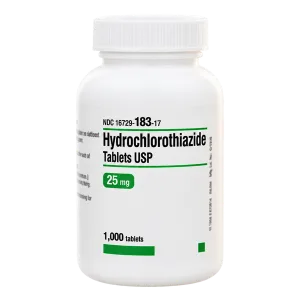
Hydrochlorothiazide is a thiazide diuretic that increases sodium and water excretion through the kidneys. It can be used alongside an ARB in some treatment plans, though it also changes the monitoring needs because sodium, potassium, uric acid, and kidney function may be affected.
Combination treatment is not automatically stronger in the sense of being better for every person. It is chosen when the expected benefit fits the person’s blood-pressure pattern, kidney status, fluid balance, and other medicines.
What doctors say
In clinical practice, doctors often find that the best outcome comes from consistency rather than frequent treatment changes. A blood-pressure log, kidney test results, and potassium level can show whether Diovan is working as intended. A single reading after poor sleep, stress, pain, caffeine, or a missed dose does not define treatment success.
For heart failure, valsartan is usually part of a wider plan that may include medicines targeting fluid overload, heart rate, and cardiac remodelling. The aim is symptom control and protection of heart function, not simply a lower number on a monitor. NICE guidance recommends tailoring antihypertensive choices to coexisting disease, age, tolerability, and blood-pressure response. [3]
Can Diovan be used during pregnancy or breastfeeding?
Diovan must not be used during pregnancy because valsartan can damage fetal kidney development and reduce amniotic fluid. The FDA prescribing information dated 2023 carries a fetal toxicity warning for medicines acting on the renin–angiotensin system. Breastfeeding also requires an individual clinical decision because data on valsartan transfer into human milk are limited. A person who becomes pregnant while taking Diovan should contact the prescriber immediately for an alternative treatment plan.
Which symptoms mean I should stop Diovan and seek urgent medical care?
Urgent assessment is needed for swelling of the lips, tongue, face, or throat; difficulty breathing; fainting; severe chest pain; or signs of a serious allergic reaction. Very low urine output, severe persistent dizziness, or a racing and irregular heartbeat also need prompt medical review because they can signal kidney dysfunction, dehydration, or a potassium disturbance. WHO cardiovascular guidance published in 2021 recognises uncontrolled blood pressure and cardiovascular symptoms as conditions requiring active medical assessment. Do not restart the tablet after a suspected severe allergic reaction unless a clinician has assessed the cause.
Can Diovan be used by children or teenagers?
Valsartan may be used in selected paediatric hypertension cases, yet the decision depends on age, body size, kidney function, and the child’s clinical diagnosis. It should not be started from an adult treatment plan or shared within a household. The FDA paediatric information dated 2023 describes limits for use in very young children and those with certain kidney conditions. A paediatric clinician should determine whether valsartan is appropriate and how it is monitored.
Does biliary cirrhosis rule out Diovan treatment?
Yes. Biliary cirrhosis or cholestasis is a major reason not to use Diovan because valsartan is cleared partly through the biliary route. Impaired bile flow can increase exposure to the medicine and make its effects less predictable. The European Medicines Agency’s 2016 valsartan product information identifies severe hepatic impairment and biliary cirrhosis among key restrictions. A different blood-pressure strategy is needed in this setting.
Which diet, exercise, or habits help or hinder the effect of Diovan?
Reducing salty processed foods, maintaining a healthy body weight, avoiding tobacco, and doing regular aerobic activity can improve blood-pressure control alongside Diovan. Alcohol excess, frequent anti-inflammatory pain medicine use, dehydration, and potassium-based salt substitutes can interfere with tolerability or safety. WHO’s 2021 hypertension guideline supports sodium reduction and sustained physical activity as part of blood-pressure management. Sudden extreme exercise or crash dieting is less helpful than steady, repeatable habits.
What should I do if Diovan does not produce the expected result?
Do not increase the amount yourself or combine it with another blood-pressure medicine without a prescriber’s instruction. Record properly taken home readings, the time Diovan was taken, symptoms, and any missed doses; this helps distinguish poor control from measurement error or inconsistent use. The 2024 ESC hypertension guideline advises treatment review using repeated blood-pressure data and assessment of adherence, lifestyle factors, kidney function, and interacting medicines. A clinician may adjust the plan or investigate other reasons for persistent hypertension.
Do you offer anonymous delivery?
Your order will be securely packed and shipped within 24 hours. This is exactly what your package will look like (images of an actual item sent). It has the size and look of a regular private letter (24x11x0.7 cm) and its contents cannot be seen.
Sources
World Health Organization (2021). Guideline for the pharmacological treatment of hypertension in adults.
U.S. Food and Drug Administration (2023). Diovan (valsartan) tablets: Prescribing Information.
National Institute for Health and Care Excellence (2023). Hypertension in adults: diagnosis and management (NG136).
Reviews: Diovan
W
Waleed, 30
Al Dhaid
Verified
Rating: 5 out of 5
I used Diovan as part of my blood-pressure plan and kept a morning log before work. My readings became steadier, and I felt reassured seeing fewer high results after busy shifts.
5 Nov 2026
A
Adnan, 66
Khalifa City
Verified
Rating: 4 out of 5
My doctor had changed my blood-pressure treatment to Diovan after repeated elevated clinic readings. I followed the same breakfast-time routine each day, and my home record became much more consistent.
11 Nov 2026
M
Mohammed, 26
Abu Dhabi
Verified
Rating: 4.5 out of 5
High blood pressure surprised me at my age, so I took the routine seriously. Diovan fit easily into my day, and my readings improved alongside walking in the evenings and cutting down salty takeaway meals.
14 Oct 2026
S
Suresh, 27
Deira
Verified
Rating: 3.5 out of 5
My readings improved, but I felt light-headed for the first few mornings when I got up quickly. It settled after I started drinking more water and gave myself time before leaving for work.
25 Oct 2026
A
Anil, 64
Fujairah
Verified
Rating: 3.5 out of 5
Diovan helped lower my readings, though the result was slower than I expected. The doctor reviewed my home log and explained that the readings across several days mattered more than one high evening value.