Skip to content
Save up to 80% Fast & Discrete Delivery
Claritin
Quality products
Fast & Discrete Delivery
Money-back guarantee

Claritin

4.1 (5 customer reviews)
Delivery: from 4 days
Payment
24/7 Support
Active ingredient: Loratadine

Free delivery on orders from AED 860.00, free express delivery from AED 1,290.00

256-bit SSL
Certified pharmacy
Money-back guarantee

By blocking histamine’s action at H1 receptors, loratadine in Claritin reduces sneezing, runny nose, itchy eyes, and skin itching linked with allergies. Claritin tablets are intended for adults and older children with seasonal or year-round allergic rhinitis, hay fever, and hives, with a lower likelihood of drowsiness than older antihistamines.

Product information

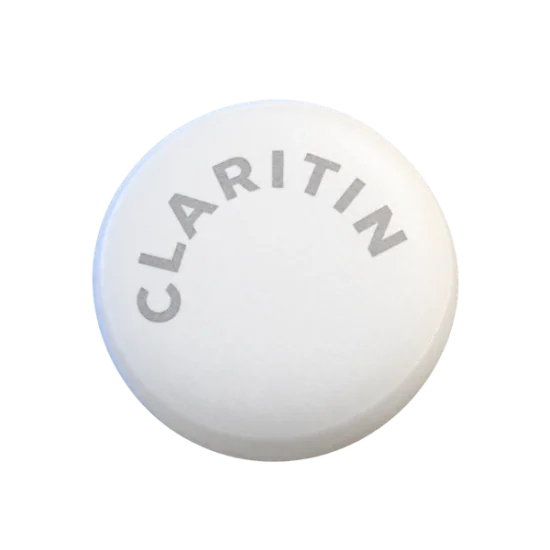
Claritin is a second-generation antihistamine containing loratadine. It is used to relieve allergy symptoms by selectively blocking peripheral H1 histamine receptors.

Ingredients

Claritin contains loratadine, a second-generation antihistamine. Histamine is a chemical released by mast cells during an allergic reaction, producing itching, swelling, watery eyes, nasal discharge, and repeated sneezing.

Loratadine selectively blocks peripheral H1 histamine receptors. This limits histamine-driven symptoms without strongly entering the central nervous system, which explains why Claritin is described as a non-drowsy antihistamine. Drowsiness can still occur in a small number of people, especially when alcohol or sedating medicines are involved. [1]

Active Ingredient Profile

After swallowing a Claritin tablet, loratadine is absorbed and converted in the liver to desloratadine, an active metabolite. Both substances continue to block H1 receptors, helping control symptoms across the day.

Older first-generation antihistamines enter the brain more readily and often cause sleepiness, slowed reaction time, dry mouth, or blurred vision. Loratadine has less central nervous system penetration. This is useful for people who need allergy relief while working, driving, studying, or managing daytime responsibilities.

A non-drowsy antihistamine can still make an individual sleepy. The first dose is best taken when you do not need to drive or operate machinery until you know your own response.

Therapeutic indications

Claritin is used for allergic rhinitis, including seasonal allergic rhinitis and perennial allergic rhinitis. It relieves histamine-related symptoms rather than removing the underlying sensitivity to pollen, dust mites, animal dander, or mould.

Seasonal allergic rhinitis Perennial allergic rhinitis
Often linked with tree, grass, or weed pollen Often linked with dust mites, pet dander, mould, or indoor allergens
Symptoms may follow a seasonal pattern Symptoms may recur throughout the year
Sneezing, itchy nose, watery eyes Nasal congestion, itchy nose, runny nose, postnasal drip

Claritin can help reduce:

  • Sneezing and an itchy nose
  • Clear, watery runny nose
  • Itchy, red, or watery eyes
  • Itching caused by allergic skin reactions
  • Hives and raised itchy wheals

It does not rapidly relieve severe breathing difficulty, throat swelling, faintness, or facial swelling caused by anaphylaxis. Those symptoms require urgent medical care.

Dosage and administration

Claritin tablets are taken by mouth. The dose is decided individually, taking age, other medicines and health conditions into account. Loratadine is usually used once daily because its antihistamine effect lasts for about 24 hours.

Take the tablet with water at a consistent time each day during the period when symptoms are active. Do not take an extra dose because symptoms are worse on a high-pollen day. More tablets do not produce proportionately better relief and may raise the chance of unwanted effects.

If a dose is missed, take the next planned dose at the usual time. Do not double the dose.

Morning use suits people whose symptoms begin outdoors during the day. Evening use may fit someone whose allergies become troublesome after exposure to bedroom dust or pets. The best schedule is the one you can keep consistently.

Liver impairment and severe kidney impairment can change how loratadine is handled by the body. In these circumstances, the dose and schedule need individual medical review rather than a routine daily plan.

When not to use it

Extra caution is needed in the following situations:

  • Severe liver disease or significant kidney impairment
  • Pregnancy or breastfeeding without individual medical advice
  • A history of serious reactions to antihistamines
  • Use of medicines that affect liver enzymes, including ketoconazole, erythromycin, or cimetidine
  • Regular alcohol intake or use of sleeping tablets, opioids, anxiety medicines, or other sedating medicines

When this is not for you

Claritin is not for you if you have had an allergic reaction to loratadine, desloratadine, or another ingredient in the tablets.

Alcohol may intensify tiredness or reduced concentration, even when Claritin alone has not caused obvious sedation. Combining several allergy products can also lead to accidental duplication of antihistamines.

Do not combine Claritin with another oral antihistamine for a difficult allergy day unless a clinician has specifically advised it. Doubling up rarely solves congestion and can increase dry mouth, drowsiness, and palpitations.

Possible side effects

Most people tolerate loratadine well. Headache, tiredness, sleepiness, dry mouth, and nausea have been reported. Sleepiness is less frequent than with many older antihistamines, yet it remains possible.

A dry mouth can be more noticeable in air-conditioned environments. Sipping water and using sugar-free gum may help. If fatigue occurs, avoid alcohol and medicines that can cause sedation until the effect has settled.

Rare but serious reactions need prompt medical assessment. These include severe rash, swelling of the lips or tongue, breathing difficulty, palpitations, fainting, or signs of a significant allergic reaction.

People often blame an antihistamine for daytime tiredness when poor sleep from blocked nose and itching is the real cause. Note when symptoms and fatigue occur for several days before deciding the tablet is responsible.

Loratadine can occasionally affect liver enzyme tests. People with established liver disease should mention this before starting treatment. The United States National Library of Medicine records rare reports of liver injury associated with loratadine, though this is uncommon. [3]

How it affects the body

Loratadine selectively blocks peripheral H1 histamine receptors. This limits histamine-driven symptoms without strongly entering the central nervous system, which explains why Claritin is described as a non-drowsy antihistamine.

After swallowing a Claritin tablet, loratadine is absorbed and converted in the liver to desloratadine, an active metabolite. Both substances continue to block H1 receptors, helping control symptoms across the day.

Common mistakes

Several avoidable habits make antihistamine treatment seem less useful than it is.

  • Taking tablets only after symptoms become intense, rather than during predictable exposure periods
  • Taking a second antihistamine on the same day without medical direction
  • Expecting an oral antihistamine to fully clear severe nasal blockage
  • Using alcohol to offset disrupted sleep during allergy symptoms
  • Ignoring wheeze, chest tightness, fever, sinus pain, or thick coloured mucus
  • Continuing a medicine despite troublesome palpitations, marked drowsiness, or rash

A frequent misconception is that non-drowsy means zero effect on reaction time. Individual sensitivity varies. Another is assuming every itchy rash is allergy; persistent hives, bruising, fever, or swelling need assessment because they may have causes beyond ordinary allergic reactions.

Comparison

Second-generation antihistamines share the goal of limiting H1 receptor activity, yet their onset, interaction profile, and likelihood of sleepiness differ. Choice often depends on the main symptom pattern, coexisting health conditions, and previous response.

Active ingredient Main clinical distinction Sedation tendency
Loratadine Long-acting H1 blockade; metabolised in the liver Usually low
Cetirizine Long-acting H1 blockade; may work well for itch and hives Low to moderate
Chlorphenamine Older H1 antihistamine with stronger brain penetration Higher

Cetirizine may be a reasonable option when itching or hives remain prominent, though sleepiness is more common for some users. Chlorphenamine can relieve allergies but is more likely to impair alertness and concentration. The European Medicines Agency advises that antihistamines with sedative effects require care around driving and activities requiring attention. [2]

Claritin is often chosen when daytime alertness matters. Its limitation is that a tablet may not fully control severe nasal blockage, because congestion is driven by inflammation and swollen nasal blood vessels as well as histamine.

What doctors say

In clinical practice, doctors often separate allergy symptoms into histamine-driven symptoms and congestion-driven symptoms. Sneezing, itch, watery eyes, and clear nasal discharge often respond well to loratadine. Persistent blockage, reduced smell, thick mucus, fever, facial pain, or wheeze may point to a different problem or require additional treatment.

Doctors also look for a pattern. Symptoms limited to pollen season suggest hay fever, while symptoms occurring after vacuuming, changing bedding, or contact with animals may indicate perennial allergic rhinitis. A symptom diary can reveal a trigger that is easy to miss.

Claritin is useful for symptom control, yet it does not change the immune tendency to develop allergies. For repeated uncontrolled rhinitis, clinicians may consider nasal corticosteroid treatment, allergy testing, or an assessment for asthma. MOHAP encourages appropriate evaluation of persistent respiratory symptoms, especially when breathing symptoms accompany nasal allergies.

Comparison

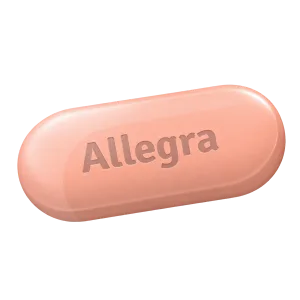
Allegra

Active ingredient: Fexofenadine
120mg 180mg
From AED 636.40
pills
4.2 (3)

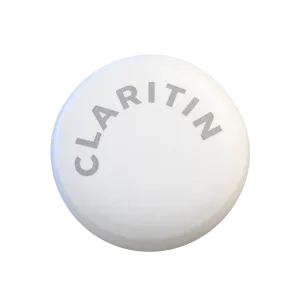
Claritin Current

Active ingredient: Loratadine
10mg
From AED 477.30
pills
4.1 (5)

Comparison table: Allergies

Common questions

Can Claritin be used during pregnancy or breastfeeding?

Pregnancy and breastfeeding require individual medical advice before using Claritin. Loratadine has been studied in pregnancy, and available human data have not shown a clear increase in major birth defects, yet treatment decisions still depend on symptom severity and medical history. The UK Medicines and Healthcare products Regulatory Agency reviewed antihistamine safety information in 2024 and supports careful medicine selection during pregnancy. Loratadine can pass into breast milk in small amounts, so breastfeeding decisions should account for the infant’s age and health.

What should be discussed with a doctor before starting Claritin?

Discuss liver disease, kidney impairment, previous reactions to antihistamines, persistent hives, asthma symptoms, and all regular medicines. Mention ketoconazole, erythromycin, cimetidine, sleeping medicines, opioid pain medicines, and alcohol use because they may affect tolerance or loratadine metabolism. The EMA’s product information for loratadine, updated in 2023, identifies hepatic impairment as a situation requiring tailored use. A clinician may also need to distinguish allergy from infection, sinus disease, or non-allergic rhinitis.

What is the best time of day to take Claritin?

The best time is a consistent time that fits your symptom pattern and daily routine. Morning dosing may suit daytime pollen exposure, while evening use may suit symptoms triggered at home. Loratadine generally provides day-long H1 receptor blockade, so switching times too often can make adherence harder. The FDA’s 2020 labeling supports following the stated once-daily directions to reduce missed doses.

What concrete condition rules out Claritin use?

A previous allergic reaction to loratadine or desloratadine rules out Claritin use. Signs of such a reaction can include hives, facial swelling, breathing difficulty, or collapse after exposure. This is different from mild dryness or temporary tiredness, which may be side effects rather than allergy. The EMA states in its 2023 loratadine product information that hypersensitivity to the active substance or excipients is a contraindication.

What should be done if the expected result does not come?

Consider whether the symptoms are truly caused by allergy and whether exposure to a trigger is continuing. A tablet can reduce histamine effects, yet it may not adequately relieve pronounced congestion or symptoms caused by viral illness, sinus infection, asthma, or irritant exposure. Persistent wheeze, shortness of breath, facial pain, fever, or hives lasting beyond several days need clinical assessment. The 2008 ARIA guideline indexed in PubMed recognises that symptom patterns can overlap with other respiratory conditions.

Can Claritin be taken with food or on an empty stomach?

Claritin may be taken with or without food. Choose whichever approach helps you remember the daily dose and feels comfortable for your stomach. Food does not prevent loratadine from working, though consistent timing makes it easier to judge benefit and tolerability. EMA product information published in 2023 confirms that loratadine tablets can be administered regardless of meals.

Do you offer anonymous delivery?

Your order will be securely packed and shipped within 24 hours. This is exactly what your package will look like (images of an actual item sent). It has the size and look of a regular private letter (24x11x0.7 cm) and its contents cannot be seen.

Sources

  1. European Medicines Agency (2023). Summary of Product Characteristics (SmPC) — loratadine
  2. European Medicines Agency (2023). Patient Information Leaflet (PIL) — loratadine
  3. U.S. National Library of Medicine (2024). Loratadine: LiverTox Clinical and Research Information on Drug-Induced Liver Injury.

Reviews: Claritin

Daniel, 65
Al Barsha
During the period when the landscaping near my building set
Verified
Rating: 4.5 out of 5
I used one Claritin tablet daily during the period when the landscaping near my building set off constant sneezing. The watery eyes eased after the first day, and I was able to take my morning walks without carrying tissues in every pocket.
10 Nov 2026
Anil, 49
Khor Fakkan
After several days
Verified
Rating: 4.5 out of 5
I took one Claritin tablet daily for recurring dust-triggered sneezing at home. After several days, my nose was much less itchy and I slept without waking up to clear it. It fitted easily into my routine.
12 Oct 2026
Saeed, 50
Khalifa City
On the first two days
Verified
Rating: 3 out of 5
Claritin reduced the itching in my eyes and stopped most of the sneezing. I still had nasal blockage in the evening, and I felt mildly tired on the first two days, although that passed.
19 Oct 2026
Suresh, 64
Al Nahda
Later in the week
Verified
Rating: 3.5 out of 5
I tried one Claritin tablet daily for hives that came and went. The itching improved, but the wheals returned later in the week and I developed a dry mouth. I stopped using it and discussed the recurring rash with my doctor.
26 Oct 2026
Tariq, 69
Kalba
Through a dusty spell
Verified
Rating: 5 out of 5
I used one Claritin tablet daily through a dusty spell when my nose ran constantly after being outdoors. It made a clear difference by the next morning, and I could attend family gatherings without repeated sneezing.
6 Nov 2026
Get our free app Shop faster and track your orders 3.9 · 268 reviews Install