Skip to content
Save up to 80% Fast & Discrete Delivery
Careprost
Quality products
Fast & Discrete Delivery
Money-back guarantee

Careprost

3.5 (5 customer reviews)
Delivery: from 4 days
Payment
24/7 Support
Active ingredient: Bimatoprost

Free delivery on orders from AED 860.00, free express delivery from AED 1,290.00

256-bit SSL
Certified pharmacy
Money-back guarantee

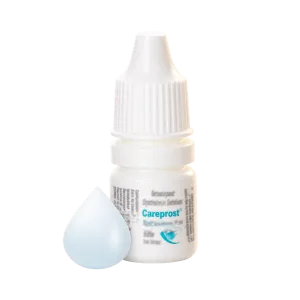
Careprost is intended for people with sparse or inadequate eyelash growth. Applied precisely along the upper lash line, it supports follicle activity and can gradually improve lash length, fullness and appearance.

Product information

Careprost is applied topically with a sterile applicator to the skin of the upper eyelid margin, where it is used for inadequate eyelash growth. Its active ingredient, bimatoprost 0.03%, helps extend the active growth phase of lash follicles, supporting longer, denser and darker-looking eyelashes.

Ingredients

Careprost is an ophthalmic solution supplied in a bottle and contains bimatoprost 0.03%, a prostamide-related medicine. Bimatoprost is used in ophthalmology for lowering raised intraocular pressure and, when applied precisely to the upper eyelid margin, for treatment of eyelash hypotrichosis.

Hypotrichosis means inadequate eyelash growth, such as lashes that are sparse, short, pale or prone to falling out before reaching their usual length. Careprost acts on the eyelash follicles rather than coating or thickening individual hairs.

Active Ingredient and Concentration

The active ingredient in Careprost is bimatoprost 0.03%. Bimatoprost belongs to the prostaglandin-related group of ophthalmic agents and has a documented effect on the hair-growth cycle of eyelashes [1].

The solution is intended for external application to the upper eyelid margin when used for lash hypotrichosis. It should not be used as a cosmetic mascara or applied across the full eyelid skin.

Use one sterile, single-use applicator for each application. Reusing an applicator can transfer skin bacteria into the bottle or onto the eyelid margin.

Eyelash Follicle Stimulation

Eyelashes cycle through active growth, transition and resting phases. Bimatoprost prolongs the anagen phase, which is the stage in which the hair shaft continues to grow. A longer anagen phase can result in lashes that appear longer and fuller over time.

Effects on eyebrow growth and thickening are less predictable because eyebrow follicles differ from eyelash follicles. Application outside the intended upper eyelid margin can also lead to unwanted hair growth on nearby skin.

Therapeutic indications

Careprost is applied topically with a sterile applicator to the skin of the upper eyelid margin, where it is used for inadequate eyelash growth.

Hypotrichosis means inadequate eyelash growth, such as lashes that are sparse, short, pale or prone to falling out before reaching their usual length.

Dosage and administration

For eyelash hypotrichosis, Careprost is applied only to the skin at the base of the upper eyelashes. Dosing differs between strengths and between users, so there is no single amount that suits everyone. The usual clinical approach is one carefully placed application in the evening when bimatoprost is prescribed for lash growth.

  • Remove contact lenses before application.
  • Place the prescribed amount on a sterile applicator.
  • Draw the applicator gently along the upper eyelid margin at the lash roots.
  • Do not apply to the lower lid, inside the eye, or directly onto the cornea.
  • Discard the applicator after one use.
  • Reinsert contact lenses only after the interval advised by the prescriber.
Applying more solution does not accelerate lash growth. It mainly increases the chance of redness, skin darkening and product spreading beyond the lash line.

Eyelid Margin Targeting

The target area is the narrow skin margin where the upper eyelashes emerge. The inner eye, tear duct and lower eyelid are not treatment sites for cosmetic lash use.

A missed application should be skipped rather than doubled the next evening. Bimatoprost works through regular follicle exposure over time, not through a larger single application.

When not to use it

Careprost is not for you if you have had an allergy to bimatoprost or any component of the ophthalmic solution. It is also unsuitable for self-directed eyelash use during an active eye infection, untreated eyelid inflammation, corneal injury or unexplained eye pain.

Extra caution is needed for people with uveitis, a history of macular oedema, aphakia, a torn posterior lens capsule, severe dry eye, or previous eye surgery. People using other eye-pressure medicines should discuss the plan with an ophthalmologist because combined prostaglandin-related therapy may alter the pressure-lowering response.

Pregnancy and breastfeeding require an individual clinical assessment. The World Health Organization advises careful evaluation of medicine exposure during pregnancy, especially where treatment is elective rather than urgent [4].

When this is not for you

This product may not be suitable if you are allergic to its ingredients, have an eye infection, inflamed eyelids, a corneal injury or unexplained eye pain. Ask an ophthalmologist before use if you have a history of eye inflammation, macular oedema, serious dry eye or eye surgery, or if you are pregnant, breastfeeding or using other eye-pressure medicines.

Possible side effects

Careprost can cause local eye and skin effects. Mild redness, itching, dryness, a foreign-body sensation and darkening of the eyelid skin may occur. Some people also notice more visible lash growth outside the intended area when the solution repeatedly reaches adjacent skin.

Iris pigmentation is a more serious consideration. Bimatoprost may gradually increase brown pigment in the iris, especially in people with mixed eye colours. This change can be permanent. Eyelid skin pigmentation often fades after discontinuation, while changes to iris colour may not [3].

Periorbital fat atrophy has also been reported with long-term use of prostaglandin-related eye treatments. It can make the upper eyelid sulcus look deeper or cause asymmetry around the eyes.

Effect What it may feel or look like Action
Mild irritation Redness, itching, dryness or stinging Stop if persistent and seek clinical advice
Eyelid pigmentation Gradual darkening of lid skin Discuss if cosmetically troubling
Iris pigmentation Darker brown iris colour Stop and arrange an eye assessment
Periorbital change Deeper eyelid crease or asymmetry Seek ophthalmic review
Take a clear baseline photo before starting, then compare at monthly intervals in the same lighting. Subtle eyelid or iris changes are easier to spot this way than by memory.

How it affects the body

Bimatoprost is structurally related to prostamides, naturally occurring lipid mediators linked to prostaglandin pathways. In the eye, it increases drainage of aqueous humour, the fluid that maintains internal eye pressure. At the follicle level, its signalling activity appears to keep lashes in their growth phase for longer.

This mechanism explains why visible change is gradual. Existing lashes do not transform overnight; new and retained lashes need time to pass through the growth cycle.

Bimatoprost was first developed among ophthalmic glaucoma agents. Its effect on eyelash length, pigmentation and density was observed during ophthalmic use, which led to focused research in eyelash hypotrichosis [2].

If the solution touches the cheek or lower eyelid, blot it immediately with a clean tissue. Repeated contact with surrounding skin can stimulate unwanted hair growth.

Common mistakes

Several avoidable habits account for many complaints about bimatoprost use.

  • Applying it to the lower eyelid, which increases the risk of unwanted facial hair.
  • Letting the bottle tip touch the eyelid or applicator.
  • Applying extra solution in the hope of faster results.
  • Wearing contact lenses immediately after application.
  • Continuing despite new eye pain, blurred vision or pronounced asymmetry around the eyes.
  • Treating sudden eyelash loss as cosmetic without assessing a possible underlying condition.

One detail patients often miss is that bimatoprost can alter the appearance of one eye more than the other if application is inconsistent. Using the same careful technique on both upper lid margins helps reduce visible asymmetry.

Comparison

Bimatoprost, latanoprost and travoprost are prostaglandin-related ophthalmic agents. They share a role in reducing intraocular pressure, though they differ in receptor activity, approved indications and evidence for eyelash hypotrichosis.

Active ingredient Main pharmacological role Lash-growth relevance
Bimatoprost Prostamide-related ophthalmic agent Established use for eyelash hypotrichosis
Latanoprost Prostaglandin F2α analogue May affect lashes, but is primarily used for ocular pressure
Travoprost Prostaglandin F2α analogue May affect lashes, but is primarily used for ocular pressure

Bimatoprost has the strongest product-specific evidence for increasing eyelash prominence when placed along the upper lid margin. Latanoprost and travoprost can also produce lash changes during glaucoma treatment, yet they should not be substituted for bimatoprost for cosmetic use without ophthalmic guidance.

The European Medicines Agency describes prostaglandin-related ophthalmic medicines as treatments requiring attention to ocular history, contact lens use and concurrent eye therapy [5].

What doctors say

In clinical practice, ophthalmologists usually focus first on the reason lashes are sparse. Sudden eyelash loss can follow eyelid dermatitis, thyroid disease, nutritional deficiency, alopecia areata, chemotherapy, traction from extensions, or inflammatory eye disease. Bimatoprost is most appropriate when the eyelid and eye surface are healthy. An examination can help identify conditions that need treatment first. This assessment also establishes a baseline for later comparison.

Doctors also set realistic expectations. Lash growth is gradual and depends on regular application. Results diminish after stopping because follicles return to their usual cycle over time.

A useful clinical distinction is between longer lashes and healthier eyes. Careprost can support lash growth, but it does not treat eye irritation, recurrent styes or unexplained eyelash loss.

Comparison

Careprost Current

Active ingredient: Bimatoprost
0.3mg
From AED 408.50
bottles
3.5 (5)

Combigan

Active ingredient: Brimonidine Tartrate, Timolol Maleate
0.2%0.5%
From AED 589.10
bottles
3.7 (3)

Comparison table: Glaucoma

Common questions

Is Careprost suitable if I have uveitis?

Careprost should not be started without ophthalmic advice if you have uveitis, which is inflammation inside the eye. Prostaglandin-related medicines may worsen ocular inflammation in susceptible people. The EMA's 2023 product information for bimatoprost highlights inflammatory eye conditions as situations requiring caution. An ophthalmologist should assess whether the expected benefit outweighs the risk before treatment begins.

How long can Careprost be used, and is long-term use acceptable?

Careprost use is reviewed according to response and eye tolerance rather than a fixed course for every person. Lash changes often need several weeks of consistent use, while maintenance requires ongoing reassessment because results gradually reduce after treatment stops. Long-term use may be acceptable when an ophthalmologist confirms that there are no concerning eye, skin or structural changes. The FDA's 2018 prescribing information for bimatoprost stresses monitoring for pigmentation and periorbital effects during continued treatment.

How long does one application of Careprost keep working?

A single application does not create an immediate visible lash effect because the medicine acts on follicle cycling. Bimatoprost remains pharmacologically active in ocular tissues for many hours, but visible lash changes depend on repeated exposure across multiple growth cycles. The WHO's 2002 guidance on promoting rational use of medicines supports following prescribed dosing rather than compensating for missed doses. Applying extra solution does not produce a faster cosmetic result.

Which habits support or hinder the result from Careprost?

Clean eyelid margins, careful single-use applicators and removing contact lenses before application help reduce irritation and contamination risk. Rubbing the eyes, sleeping in eye makeup, using expired eye cosmetics or placing solution on the lower lid can interfere with consistent application and increase unwanted skin exposure. A balanced diet and normal exercise support general hair health, though they do not replace the follicle-level action of bimatoprost. Persistent eyelid dermatitis should be treated before starting a lash-growth routine. The FDA's 2018 prescribing information also provides a reference for reviewing eye and eyelid reactions.

What should I discuss with a doctor before starting Careprost?

Discuss glaucoma, raised eye pressure, uveitis, retinal disease, cataract surgery, dry eye, contact lens use and any previous reaction to eye drops. Mention all eye medicines, since combining prostaglandin-related treatments can affect ocular pressure management. The FDA's 2018 prescribing information advises patients to use prescription eye therapies under appropriate clinical supervision, especially when there is existing eye disease. Baseline eye colour and eyelid appearance are also useful to document before starting.

Do you offer anonymous delivery?

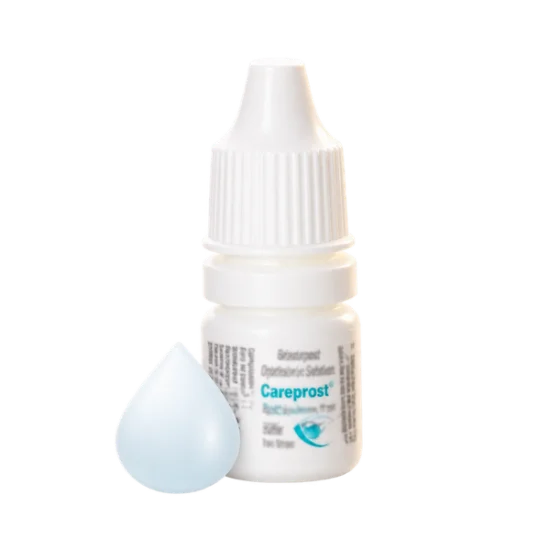
Your order will be securely packed and shipped within 24 hours. This is exactly what your package will look like (images of an actual item sent). It has the size and look of a regular private letter (24x11x0.7 cm) and its contents cannot be seen.

Sources

  1. FDA (2018). Latisse Prescribing Information: Bimatoprost Ophthalmic Solution 0.03%.
  2. American Academy of Ophthalmology (2020). Bimatoprost and Eyelash Growth.
  3. EMA (2023). Lumigan: Summary of Product Characteristics.
  4. WHO (2016). WHO Recommendations on Antenatal Care for a Positive Pregnancy Experience.
  5. EMA (2023). Lumigan: Summary of Product Characteristics (SmPC).

Reviews: Careprost

Noura, 43
Al Majaz
Three months
Verified
Rating: 4.5 out of 5
My lashes looked noticeably longer by the second month, especially at the outer corners. I stopped relying on volumising mascara for work, and the change still looked natural.
12 Oct 2026
Latifa, 36
Al Ain
Seven weeks
Verified
Rating: 3.5 out of 5
There was a visible improvement in length, but I had mild itching during the first few days. It settled after I became more careful about keeping the solution only on the upper lash line.
22 Oct 2026
Hannah G., 31
Bur Dubai
Two weeks
Verified
Rating: 1.5 out of 5
My eyes became red and uncomfortable after application, so I stopped. I discussed it with an eye doctor because I did not want to continue while the irritation was still present.
28 Oct 2026
Mariam, 61
Al Khawaneej
Four months
Verified
Rating: 4 out of 5
My lashes had become finer over the years, and by the end of the course they looked darker and much more defined. The gradual result suited me because it did not look artificial.
3 Nov 2026
Hessa, 31
Abu Dhabi
Twelve weeks
Verified
Rating: 4 out of 5
I saw the biggest difference when I compared photos from the first and third months. My lashes became longer without changing my usual makeup routine.
10 Nov 2026
Get our free app Shop faster and track your orders 3.9 · 268 reviews Install