Skip to content
Save up to 80% Fast & Discrete Delivery
Arava
Quality products
Fast & Discrete Delivery
Money-back guarantee

Arava

4 (3 customer reviews)
Delivery: from 4 days
Payment
24/7 Support
Active ingredient: Leflunomide

Free delivery on orders from AED 860.00, free express delivery from AED 1,290.00

256-bit SSL
Certified pharmacy
Money-back guarantee

Joint inflammation from rheumatoid arthritis or psoriatic arthritis can cause persistent pain, stiffness and swelling. Arava contains leflunomide, a disease-modifying antirheumatic drug (DMARD) that reduces inflammatory immune activity and helps limit joint damage over time.

Product information

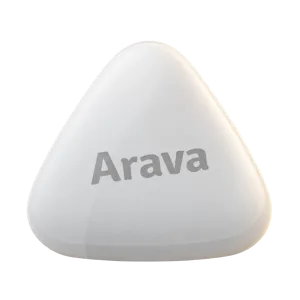
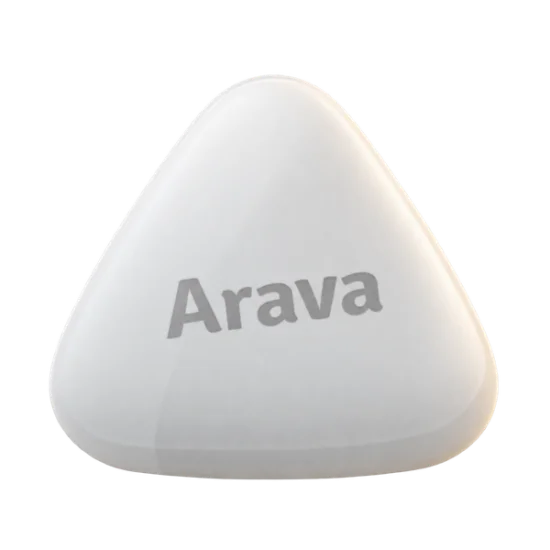
Arava tablets contain leflunomide. This prescription DMARD treats inflammatory arthritis by controlling the disease process, rather than providing immediate pain relief.

Ingredients

Arava tablets contain leflunomide. This prescription DMARD treats inflammatory arthritis by controlling the disease process, rather than providing immediate pain relief. The European Medicines Agency (EMA) describes its use in active rheumatoid arthritis and active psoriatic arthritis [1].

Leflunomide as the active ingredient

After absorption, leflunomide is converted into an active metabolite called teriflunomide. That metabolite accounts for much of the treatment effect and remains in the body for a long time. Its persistence matters when planning pregnancy, changing treatment or managing a serious adverse reaction.

DMARD treatment goals

A DMARD aims to reduce ongoing inflammation and the joint damage it can cause. Less morning stiffness or swelling may be an early sign of improvement, but a rheumatologist also assesses tender joints, physical function and blood-test findings. Treatment takes time. A difficult day does not necessarily mean Arava has failed. The prescriber interprets these findings together when reviewing treatment.

Therapeutic indications

Arava is used for active rheumatoid arthritis and active psoriatic arthritis. Both involve inflammation that can damage joints, although their patterns and associated features differ.

Condition Typical features Arava’s treatment role
Rheumatoid arthritis Persistent swelling, often affecting joints on both sides of the body; morning stiffness is common Reduces inflammatory disease activity and helps limit joint damage
Psoriatic arthritis Joint swelling that may occur alongside psoriasis, nail changes or swollen fingers and toes Treats active inflammatory joint disease when selected by a specialist

Rheumatoid arthritis treatment

Rheumatoid arthritis occurs when immune-driven inflammation affects the joint lining. Hands and feet are commonly involved, though other joints can also be affected. Rheumatologists judge response through symptoms, joint examination and laboratory results. NICE guidance places conventional DMARDs within the treatment of active rheumatoid arthritis, with regular assessment of whether the chosen treatment is working [2]. American College of Rheumatology (ACR) guidance also supports regular assessment of treatment response.

Psoriatic arthritis treatment

Psoriatic arthritis can affect different joints in different people. Skin and nail psoriasis may accompany joint symptoms, and the extent of each does not always match. Arava is a treatment option for active joint disease; a rheumatologist weighs the full pattern of symptoms when selecting it.

Dosage and administration

Arava is taken by mouth as a tablet, usually on a consistent daily schedule. The amount per intake is set individually, taking account of the condition, response, other medicines and tolerability.

  • Daily use: Take the prescribed amount at roughly the same time each day. Swallow the tablet with water.
  • Missed dose: Take it when remembered unless the next scheduled dose is near. Skip the missed dose in that case; do not double up.
  • Follow-up: Blood tests and clinical reviews continue during treatment, even when joint symptoms improve.
  • Treatment changes: Do not stop Arava or alter the prescribed amount without a treatment plan from the prescribing team.
A phone reminder can help prevent an accidental extra dose: mark the tablet as taken immediately after swallowing it.

Routine blood-test monitoring

Monitoring commonly includes liver enzymes and blood-cell counts. Blood pressure also needs attention because leflunomide can raise it. A prescribing team typically establishes a baseline, arranges closer follow-up early in treatment and continues reviews thereafter, consistent with British Society for Rheumatology (BSR) monitoring guidance. The schedule reflects the person’s health and any other medicines.

Blood tests can reveal a problem before it causes noticeable symptoms. Missing an appointment because the joints feel better defeats part of the monitoring plan.

Treatment response expectations

Arava works gradually. Joint pain may fluctuate while inflammatory activity is improving, so response is assessed over a series of visits rather than after a single tablet. People should report persistent swelling or worsening function; those observations help the rheumatologist decide whether treatment needs adjusting.

When not to use it

It may also be unsuitable with a serious active infection, major blood-cell abnormalities or significant immune impairment. A rheumatologist assesses these conditions before treatment.

Other medicines matter. Methotrexate and some other treatments can add to liver or immune-system risks; warfarin may require closer clotting checks. Give the prescribing team a complete account of prescription medicines, supplements, alcohol use and recent infections.

When this is not for you

Arava is not for you if you are pregnant, have a known serious allergy to leflunomide, or have severe liver disease.

Infection and vaccination precautions

Discuss recurrent infections and vaccination plans before starting Arava. Vaccine type and timing can affect the plan, especially for live vaccines. During treatment, report fever or an infection that is worsening rather than waiting for the next arthritis review.

Pregnancy and conception planning

Leflunomide can harm a developing baby and can remain in the body after treatment stops. Contraception and conception plans therefore need discussion before treatment and again before any planned pregnancy. In selected situations, clinicians use an accelerated elimination procedure to remove the active metabolite more quickly; simply stopping tablets does not produce the same effect.

Mention pregnancy plans well ahead of time. The long persistence of leflunomide makes this a treatment-planning conversation, not a last-minute dosing change.

Possible side effects

The main tolerability questions with Arava concern digestive symptoms, blood pressure, infection and liver health. Regular monitoring helps detect changes that symptoms alone may miss.

Effects to report at a routine review Symptoms needing prompt medical assessment
Persistent diarrhoea or nausea; headache; hair thinning; a mild new rash Yellow skin or eyes; dark urine; marked fatigue; pain in the upper-right abdomen; unusual bruising or bleeding; a severe rash or signs of serious infection

Common adverse reactions

Diarrhoea, nausea, headache, hair thinning and rash can occur. Some people develop raised blood pressure or abnormal liver-test results. Persistent diarrhoea deserves a report rather than repeated self-treatment, because it may affect whether Arava remains tolerable.

If hair thinning develops, note when it began and whether it is progressing. That detail helps the prescribing team assess it alongside treatment response and blood results.

Liver injury warning signs

Leflunomide can cause serious liver injury. Yellowing of the skin or eyes, dark urine, severe fatigue, upper-right-abdominal pain or unusual bleeding calls for prompt medical advice. FDA safety communication on leflunomide highlights the importance of liver testing and reviewing other medicines that may also affect the liver [3].

Alcohol use and other liver-affecting medicines should be discussed with the prescribing team. An abnormal result needs clinical assessment; changing or stopping treatment on the basis of a number alone can disrupt the arthritis plan.

How it affects the body

Arava reduces the multiplication of immune cells involved in joint inflammation. Its active metabolite limits the production of pyrimidines, building blocks that rapidly dividing cells need.

Pyrimidine synthesis inhibition

The main enzyme affected is dihydroorotate dehydrogenase, often shortened to DHODH. Activated lymphocytes—immune cells involved in inflammation—need a reliable supply of pyrimidines to multiply. By inhibiting DHODH, leflunomide slows their expansion and can reduce inflammatory activity in joints.

Immune-system modulation

This mechanism does not switch off every immune response. It does mean infections deserve attention during treatment. A fever, persistent cough or other signs of infection may need assessment, especially when Arava is taken alongside another immune-modifying medicine.

Common mistakes

  • Expecting same-day pain relief: Arava controls inflammation gradually; it does not work like an as-needed pain tablet.
  • Skipping blood tests after improvement: Feeling better does not show whether liver enzymes or blood-cell counts are within range.
  • Doubling a forgotten tablet: An extra intake does not make up for lost treatment time and may increase adverse effects.
  • Treating an infection as routine: Fever or a worsening infection deserves timely assessment during immune-modifying treatment.
  • Stopping without a plan: Symptoms may return, while leflunomide’s active metabolite can still remain in the body.
Keep a short record of morning stiffness, swollen joints and any new symptoms. Concrete changes are more useful at review than trying to remember whether the last month felt better.

Comparison

Arava is a conventional synthetic DMARD: a tablet-based medicine that acts on inflammatory disease activity. Other DMARDs target inflammation in different ways, and monitoring needs vary.

Treatment option Broad type Main selection and monitoring considerations
Arava (leflunomide) Conventional synthetic DMARD Liver tests, blood counts, blood pressure and pregnancy planning
Methotrexate Conventional synthetic DMARD Liver and blood-count monitoring; individual tolerability and pregnancy plans
Sulfasalazine or hydroxychloroquine Conventional synthetic DMARDs Choice depends on disease pattern; monitoring differs by medicine
Biologic DMARDs Targeted immune treatments Infection screening and the person’s response to earlier treatment

Conventional DMARD positioning

Methotrexate, sulfasalazine and hydroxychloroquine are related treatment options, not interchangeable tablets. Each has a different mechanism and monitoring profile. A rheumatologist may select Arava after considering disease activity, other health conditions and previous response.

Treatment selection factors

No DMARD is the best choice for every person. Liver disease, recurrent infection, pregnancy plans and other medicines can change the balance. Regular reviews show whether Arava is achieving enough improvement with acceptable tolerability.

What doctors say

Rheumatologists look for sustained improvement in swollen joints, stiffness and daily function, alongside acceptable blood results. A patient who feels somewhat better but still has persistent joint swelling may need a different treatment decision from someone whose inflammation has settled.

A useful clinical distinction is between response and tolerability. Arava may reduce arthritis symptoms yet cause persistent diarrhoea or abnormal liver tests. Both sides of that assessment determine whether continuing it makes sense.

Comparison

Arava Current

Active ingredient: Leflunomide
10mg 20mg
From AED 468.70
pills
4 (3)

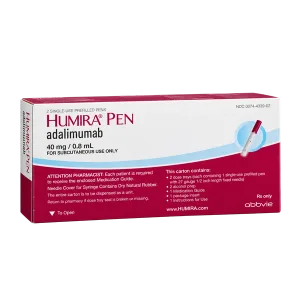
Humira

Active ingredient: Adalimumab
20mg0.4ml 40mg0.8ml
From AED 3,246.50
injectors
4 (3)

Comparison table: Rheumatoid Arthritis

Common questions

How long does one Arava dose keep working?

Arava is designed for ongoing daily treatment, not for a short period of pain relief after each tablet. Leflunomide’s active metabolite stays in the body for a long time, so the effect of one dose cannot be measured like that of an as-needed pain medicine. EMA product information remains the relevant reference for its use in 2026. A missed tablet should not be replaced with a double dose.

How should Arava be stored at home and while travelling?

Keep Arava dry, protected from excessive heat and out of children’s reach. Take enough tablets to maintain the prescribed daily schedule when travelling, and keep a record of the medicine name and your prescribed amount. For travel planning in 2026, the EMA’s product information provides the medicine-specific storage guidance. Avoid leaving tablets in a parked car, where temperatures can rise sharply.

What is the best time of day to take Arava?

Choose a time you can maintain every day; morning or evening can both work. Consistency matters more than a particular hour, because Arava treats inflammatory disease through continued use. EMA guidance used in 2026 describes oral administration rather than a required time of day. If nausea is troublesome, discuss a timing adjustment with the prescribing team.

How soon does Arava’s effect become noticeable?

Improvement generally develops over weeks rather than hours. A rheumatologist assesses the trend in stiffness, swollen joints and function over time, because a single good or bad day can mislead. NICE rheumatoid arthritis guidance continues to inform treatment reviews in 2026. Do not increase the prescribed amount because the first few days feel unchanged.

What happens when Arava is stopped, and does it need tapering?

Arava is not routinely tapered in the way some medicines are, but stopping can allow inflammatory arthritis symptoms to return. Its active metabolite can remain in the body long after the last tablet, which is important if treatment ends because of pregnancy planning or a serious adverse reaction. EMA safety guidance remains relevant to these decisions in 2026. Clinicians may use an accelerated elimination procedure when faster removal is needed.

Can Arava be taken with food or on an empty stomach?

Arava can be taken with or without food. Swallow the tablet with water and use the approach that is easiest to follow consistently. EMA product information applicable to treatment planning in 2026 does not require a meal for administration. Persistent nausea or diarrhoea should be reported, even if changing meal timing seems to help.

Do you offer anonymous delivery?

Your order will be securely packed and shipped within 24 hours. This is exactly what your package will look like (images of an actual item sent). It has the size and look of a regular private letter (24x11x0.7 cm) and its contents cannot be seen.

Sources

  1. European Medicines Agency (2009). Arava: EPAR — Product information
  2. National Institute for Health and Care Excellence (2018). Rheumatoid arthritis in adults: management (NG100)
  3. U.S. Food and Drug Administration (2010). FDA Drug Safety Communication: New boxed warning for severe liver injury with Arava (leflunomide)

Reviews: Arava

Arjun, 32
Al Nahda
Several weeks
Verified
Rating: 4 out of 5
I took Arava as part of my regular arthritis treatment. After several weeks, my hands felt less stiff in the morning, and getting ready for work became easier. I was pleased with the steady improvement.
8 Nov 2026
Nadeem, 52
Bur Dubai
Early on
Verified
Rating: 3 out of 5
My swollen finger joints gradually became less troublesome. I also had mild diarrhoea early on, which was inconvenient, though it passed. The improvement took longer than I expected.
12 Oct 2026
Ahmed, 62
Ajman
Verified
Rating: 5 out of 5
I stayed with my daily Arava treatment and noticed that opening jars and walking in the morning became more comfortable. The change was gradual, but it made ordinary tasks easier.
26 Oct 2026
Get our free app Shop faster and track your orders 3.9 · 268 reviews Install