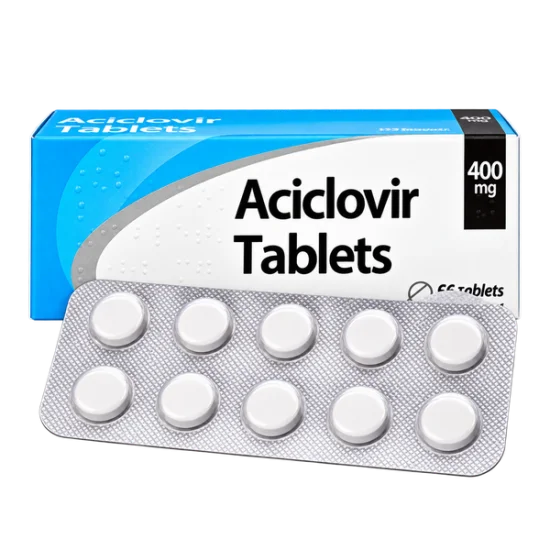
Adults and children with herpes simplex or varicella-zoster infections may be prescribed Aciclovir tablets to limit viral multiplication during an outbreak or suppress recurrent disease. It is used for cold sores, genital herpes, shingles, and selected cases of chickenpox.
Product information
Aciclovir is an antiviral that acts inside infected cells and slows the production of new virus particles. Aciclovir is a synthetic nucleoside analogue antiviral. A nucleoside analogue resembles one of the building blocks a virus needs to make DNA, its genetic material.
Ingredients
The active substance is aciclovir, an antiviral used in tablets for herpes simplex and varicella-zoster infections.
Therapeutic indications
Aciclovir treats infections caused by herpes simplex virus type 1 and type 2, plus varicella-zoster virus. HSV-1 commonly causes cold sores around the mouth, while HSV-2 is a frequent cause of genital herpes. Either HSV type can infect either location.
Varicella-zoster virus causes chickenpox and can reactivate later as herpes zoster, also called shingles. Shingles produces a painful, usually one-sided rash following a nerve distribution. Prompt antiviral therapy is used to limit viral replication and acute symptoms; reducing the risk of postherpetic neuralgia, persistent nerve pain after the rash, is an important clinical objective in higher-risk patients [2].
Aciclovir may be prescribed for:
Cold sores: episodic treatment of herpes labialis and prevention of frequent recurrences in selected patients.
Genital herpes: first episodes, recurrent outbreaks, and suppressive treatment for recurrent HSV infection.
Shingles: treatment begun early in the rash phase, especially when pain is substantial or complications are more likely.
Chickenpox: selected cases where antiviral treatment is clinically indicated.
Severe herpes infections: hospital-managed cases may require intravenous antiviral therapy rather than tablets.
Doctors often distinguish episodic treatment from suppressive treatment. Episodic treatment is used at the first signs of an outbreak. Suppressive treatment is taken on a continuing prescribed schedule to reduce recurrence frequency and viral shedding.
Genital herpes can be transmitted even when no sores are visible. Aciclovir suppression can reduce viral shedding, yet it does not replace barrier protection or avoiding sexual contact when lesions or prodromal symptoms are present.
Dosage and administration
Aciclovir on this page is supplied as tablets for oral use. The dose is decided individually, taking age, other medicines and health conditions into account. The indication matters: a first genital herpes episode, recurrent herpes, suppressive therapy, shingles, and chickenpox do not use the same treatment plan.
Take the tablet with water at the prescribed times. Regular spacing maintains antiviral exposure while the virus is replicating. A clinician may adjust the regimen in reduced kidney function because aciclovir is cleared mainly through the kidneys.
Swallow the tablet whole with a full glass of water.
Maintain normal fluid intake unless a clinician has set a fluid restriction.
Take doses at evenly spaced times when more than one daily dose is prescribed.
Continue for the prescribed course, even if lesions begin to crust or pain improves.
If a regimen is for recurrent infection, keep the treatment accessible before early symptoms begin.
Hydration is not a cosmetic detail with oral aciclovir. Dehydration raises the chance of high drug concentrations in the kidneys, especially during fever, vomiting, diarrhoea, or hot weather.
The tablet form provides systemic exposure, meaning the medicine reaches infected tissue through the bloodstream. Creams act locally on skin, while eye preparations and injections are reserved for different clinical settings. Oral tablets are not interchangeable with ophthalmic or intravenous products.
When not to use it
Extra care is required in several situations:
Kidney impairment: the dose may need adjustment to avoid accumulation.
Dehydration: vomiting, diarrhoea, fever, and poor fluid intake can increase kidney stress.
Older age: reduced kidney clearance may occur even without obvious symptoms.
Neurological conditions: a history of seizures or significant neurological disease warrants closer monitoring.
Pregnancy and breastfeeding: treatment may still be appropriate, though the indication and regimen need individual assessment.
Medicines affecting the kidneys: ciclosporin, tacrolimus, aminoglycoside antibiotics, non-steroidal anti-inflammatory drugs, and other nephrotoxic medicines may raise renal risk.
Probenecid or cimetidine: these can reduce renal clearance of aciclovir and increase blood concentrations.
MOHAP prescribing practice gives special weight to kidney function, concurrent medicines, and the severity of infection. EMA and WHO guidance also support tailoring antiviral treatment to the individual clinical situation rather than using a single regimen for every outbreak.
When this is not for you
Aciclovir is not for you if you have had a serious allergic reaction to aciclovir, valaciclovir, or any component of the tablets. An allergy can include hives, facial swelling, breathing difficulty, or a severe blistering skin reaction after previous exposure.
Possible side effects
Most people tolerate oral Aciclovir without major difficulty. The more common effects are headache, nausea, diarrhoea, abdominal discomfort, fatigue, and dizziness. These effects are often mild and settle during the course.
Kidney-related adverse effects are less common with tablets than with intravenous treatment, though they become more relevant with dehydration, high exposure, older age, or impaired renal function. Confusion, agitation, tremor, hallucinations, or unusual drowsiness can signal aciclovir neurotoxicity, usually in people whose kidneys are not clearing the medicine adequately [3].
Stop the medicine and seek urgent medical assessment for:
swelling of the lips, tongue, face, or throat;
trouble breathing, wheezing, or a widespread blistering rash;
very little urine, severe flank pain, or sudden swelling;
marked confusion, hallucinations, seizures, or severe unsteadiness;
eye pain, light sensitivity, reduced vision, or a herpes rash near the eye.
Older adults may describe aciclovir neurotoxicity as feeling “foggy” or unusually unsteady rather than as confusion. A new change in thinking or balance needs prompt attention, especially if kidney disease is present.
How it affects the body
Herpes viruses activate Aciclovir more efficiently than human cells do. Viral thymidine kinase starts the activation process, after which cellular enzymes convert it to aciclovir triphosphate. This active form blocks viral DNA polymerase and causes premature termination of viral DNA synthesis. Human DNA polymerase has far less affinity for aciclovir triphosphate, which explains its selective antiviral action [1].
Inhibition of Viral DNA Synthesis
Aciclovir does not remove herpes viruses from the body. Herpes simplex virus and varicella-zoster virus can remain dormant in nerve tissue between episodes.
Its role is to reduce replication during active infection.
Common mistakes
Several avoidable habits can reduce the benefit of Aciclovir tablets or increase adverse-effect risk.
Waiting for severe lesions: treatment is often delayed until pain or blistering is established, missing the early replication phase.
Taking doses unevenly: a morning dose followed by a late-night dose creates long gaps with lower antiviral coverage.
Stopping because lesions improve: visible healing may begin before viral replication is fully controlled.
Using a previous regimen for a new condition: a shingles episode and a recurrent cold sore do not follow the same treatment plan.
Ignoring fluid loss: dehydration during an illness can turn a usually manageable course into a kidney concern.
Combining medicines without reviewing kidney risk: pain medicines and immunosuppressive treatment deserve attention when taken with Aciclovir.
A common misconception is that antiviral treatment means a person cannot transmit HSV. Aciclovir reduces viral activity, but it does not guarantee zero transmission risk.
If you develop a rash near one eye, new blurred vision, or pain when moving the eye, seek same-day medical care. Oral tablets should not delay assessment of possible ocular herpes infection.
Comparison
Aciclovir remains a standard nucleoside analogue antiviral for HSV and varicella-zoster infections. Other oral antivirals work through a closely related pathway but differ in absorption and dosing convenience.
Antiviral option
Main distinction
Clinical use pattern
Aciclovir
Direct antiviral with established use for HSV and varicella-zoster infections
Episodic treatment or longer suppressive regimens
Valaciclovir
Converted to aciclovir after absorption and provides higher oral bioavailability
Often selected when less frequent dosing is appropriate
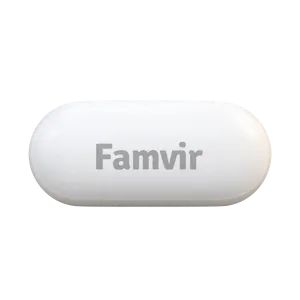
Famciclovir
Prodrug converted to penciclovir, another viral DNA polymerase inhibitor
Alternative for selected HSV or shingles treatment plans
Valaciclovir may be more convenient when a regimen requires fewer daily doses, yet Aciclovir has a long clinical track record and remains appropriate for many patients. Famciclovir is a pharmacologically related alternative, not a substitute to combine with Aciclovir.
Neither treatment prevents every recurrence. The practical benefit depends on starting at the correct stage, taking doses consistently, and matching the regimen to the infection being treated.
What doctors say
In clinical practice, doctors often see the same problem: people begin treatment after lesions have fully developed, then assume the antiviral failed. Aciclovir works on viral replication, so the benefit is usually stronger when treatment begins at the earliest recognised symptoms.
For genital herpes, physicians commonly discuss two distinct goals. One is controlling an individual outbreak. The other is reducing the burden of frequent recurrences with suppressive therapy. The second approach can be valuable when episodes are recurrent, painful, disruptive, or associated with concerns about viral shedding.
Shingles needs a different level of attention. A rash on the face, scalp, or around the eye should not be treated as an ordinary skin problem because ophthalmic herpes zoster can threaten vision. Severe pain, extensive rash, immunosuppression, and neurological symptoms also alter the urgency of assessment.
Take the missed dose when you remember unless the next scheduled dose is due soon. If it is nearly time for the next dose, skip the missed tablet and return to the regular schedule. Do not take two doses together to compensate, since higher exposure can increase adverse effects without improving viral control. FDA prescribing information from 2024 describes renal elimination as a key reason to avoid unnecessary extra doses [4].
What happens if I stop Aciclovir, and does it need tapering?
Aciclovir does not cause dependence and does not require tapering. Stopping it early may allow viral replication to continue, which can prolong an active episode or reduce the intended benefit of suppressive therapy. For long-term suppression, the decision to pause or continue treatment is usually reviewed against recurrence frequency and kidney health. WHO genital herpes guidance, published in 2016, supports treatment plans tailored to symptom patterns and patient priorities.
Can Aciclovir tablets be split, crushed, or chewed?
Swallow Aciclovir tablets whole with water unless a prescriber has specifically advised another approach. Crushing or chewing creates an unpleasant taste and can make it harder to take the full dose consistently. Splitting may also lead to inaccurate portions where a tablet is not designed for division. EMA medicine-information standards available in 2024 emphasise using oral medicines in the form and manner intended for predictable exposure.
Which symptoms mean I should stop Aciclovir and seek urgent medical care?
Urgent symptoms include facial or throat swelling, breathing difficulty, a blistering or peeling rash, severe reduction in urine, marked confusion, hallucinations, or seizures. Eye pain, light sensitivity, vision changes, or lesions around the eye also require urgent assessment because herpes infections can involve the eye. These reactions are uncommon, though they need rapid attention when they occur. CDC clinical guidance from 2021 identifies severe or complicated herpes presentations as situations needing medical evaluation.
How long does an Aciclovir course last, and is long-term use acceptable?
Course length depends on the infection and the treatment goal. Acute cold sores, genital herpes, shingles, chickenpox, and suppressive therapy each follow different clinician-selected schedules. Longer-term suppressive use can be appropriate for recurrent herpes when the benefit outweighs the burden of outbreaks, with kidney function and other medicines considered over time. A Cochrane review published in 2014 evaluated antiviral treatment in herpes zoster and reinforces that treatment goals differ between acute rash control and longer-term pain outcomes [5].
Can Aciclovir be used during pregnancy or breastfeeding?
Aciclovir may be used during pregnancy when the expected clinical benefit supports treatment, including management of genital herpes. Pregnancy management depends on the infection site, timing, recurrence history, and obstetric plan. Aciclovir passes into breast milk in small amounts, so breastfeeding decisions should consider the infant’s age, maternal indication, and prescribed regimen. WHO guidance from 2016 includes genital herpes management considerations relevant to pregnancy.
Do you offer anonymous delivery?
Your order will be securely packed and shipped within 24 hours. This is exactly what your package will look like (images of an actual item sent). It has the size and look of a regular private letter (24x11x0.7 cm) and its contents cannot be seen.
Sources
FDA (2024). Zovirax (acyclovir) prescribing information.
World Health Organization (2016). WHO guidelines for the treatment of genital herpes simplex virus.
Centers for Disease Control and Prevention (2021). Sexually Transmitted Infections Treatment Guidelines: Genital Herpes.
FDA (2024). Acyclovir: drug safety and prescribing information.
Cochrane (2014). Antiviral treatment for preventing postherpetic neuralgia.
Reviews: Aciclovir
N
Nadeem, 50
Sharjah
A 5-day course
Verified
Rating: 3 out of 5
I started the tablets when the tingling began and the outbreak was milder than my previous one. I had some nausea on the first day, but it passed after I took the doses with more water and food.
8 Nov 2026
R
Rajesh S., 62
Khalifa City
A 7-day course
Verified
Rating: 4 out of 5
I used the tablets as prescribed after the rash appeared on my side. The new spots stopped appearing after a few days, and the burning pain became easier to manage during the course.
12 Oct 2026
K
Khalid, 40
Abu Dhabi
A 5-day course
Verified
Rating: 5 out of 5
I began treatment at the first lip tingling and did not develop the usual large blister. I was satisfied because it interfered less with work and meals than prior outbreaks.
27 Oct 2026
H
Hassan, 45
Jebel Ali
Several months
Verified
Rating: 5 out of 5
I took the tablets consistently over several months and had far fewer outbreaks than before. The predictable routine made travel and family events much less stressful.