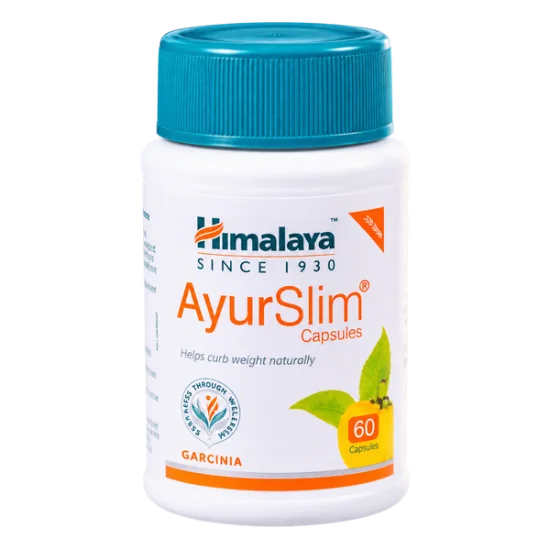
Ayurslim
3.5 (5 customer reviews)Ayurslim uses Garcinia cambogia, a botanical source of hydroxycitric acid, to support appetite awareness and weight-management efforts. It is intended for adults who are pairing nutritional changes and regular activity with a structured approach to body-weight goals.
Product information
Ayurslim is supplied as capsules in a bottle and is designed as a herbal weight-management supplement for adults. Garcinia cambogia is the identified botanical ingredient. Its fruit rind contains hydroxycitric acid, commonly called HCA.
Ingredients
Garcinia cambogia is the identified botanical ingredient. Its fruit rind contains hydroxycitric acid, commonly called HCA.
Therapeutic indications
Ayurslim is intended for adults who are pairing nutritional changes and regular activity with a structured approach to body-weight goals.
Ayurslim is intended to support weight-management habits through the proposed metabolic activity of hydroxycitric acid.
Dosage and administration
- Route: take Ayurslim orally as capsules.
- Dose and frequency: the amount and number of capsules used depend on the purpose of use and are agreed with a doctor or pharmacist.
- Timing and duration: use Ayurslim as part of a structured weight-management approach, with timing and duration agreed with a doctor or pharmacist.
When not to use it
Ayurslim is not for you if you have a known allergy to Garcinia cambogia or any capsule component.
Avoid starting it during pregnancy or breastfeeding because reliable safety data in these situations are insufficient. People with current or previous liver disease should avoid Garcinia cambogia unless their treating clinician has specifically assessed it. This also applies to anyone who has previously developed unexplained jaundice or liver-enzyme abnormalities while using a supplement.
Extra caution is needed with:
- antidepressants that affect serotonin, including SSRIs, SNRIs, MAOIs, and triptans;
- diabetes medicines, because appetite and dietary changes can alter glucose control;
- blood-pressure medicines, if reduced food intake, dehydration, or dizziness occurs;
- other slimming products, stimulant blends, or multi-ingredient herbal products.
When this is not for you
Avoid starting it during pregnancy or breastfeeding because reliable safety data in these situations are insufficient. People with current or previous liver disease should avoid Garcinia cambogia unless their treating clinician has specifically assessed it. This also applies to anyone who has previously developed unexplained jaundice or liver-enzyme abnormalities while using a supplement.
Possible side effects
Herbal supplements can still cause side effects. Possible reactions to Garcinia cambogia products include nausea, stomach discomfort, loose stools, headache, dry mouth, and dizziness. Mild digestive symptoms may settle after stopping the supplement, but persistent symptoms should not be ignored.
There have been reports of serious liver injury in people using products containing Garcinia cambogia, though the exact cause can be difficult to establish because formulations and concurrent products differ. The European Medicines Agency advises careful assessment of suspected herbal-product adverse reactions, especially where jaundice or persistent digestive symptoms occur. [1]
Stop Ayurslim and seek urgent medical attention for:
- yellowing of the skin or eyes;
- dark urine or pale stools;
- severe abdominal pain;
- persistent vomiting;
- unusual fatigue with loss of appetite;
- facial swelling, wheezing, or a widespread rash.
How it affects the body
Its proposed action involves pathways linked with carbohydrate metabolism and fatty-acid production, though results depend greatly on daily habits and individual response.
Laboratory research suggests HCA may inhibit ATP citrate lyase, an enzyme involved in converting carbohydrate-derived citrate into building blocks used for fatty-acid synthesis.
ATP citrate lyase is part of normal energy metabolism. Blocking this enzyme in laboratory settings may reduce de novo lipogenesis, meaning the formation of fatty acids from excess carbohydrate. This does not mean that Ayurslim blocks dietary fat absorption or causes rapid fat loss.
Common mistakes
Several habits make a weight-management plan less useful.
- Treating capsules as a replacement for meals, protein, fibre, or exercise.
- Taking more than the agreed amount after a high-calorie meal.
- Combining Ayurslim with multiple appetite suppressants or stimulant products.
- Ignoring nausea, unusual fatigue, dark urine, or abdominal pain.
- Expecting daily scale movement to be linear.
- Stopping prescribed cholesterol, diabetes, or blood-pressure treatment because body weight has started to fall.
The most common mistake is chasing speed. Steady habits are easier to keep, and they protect lean muscle better than harsh calorie restriction.
Comparison
| Approach | Main action | Best use |
|---|---|---|
| Ayurslim with Garcinia cambogia | Botanical support for appetite awareness and metabolic routines | Adults building diet and activity habits |
| Lifestyle programme alone | Calorie intake, food quality, activity, sleep, and behaviour change | Foundation for all weight-management plans |
| Prescription weight-management treatment | Targets appetite, nutrient absorption, or metabolic signalling | Clinician-led care for eligible adults |
Prescription treatments can produce larger changes for some eligible patients, yet they also bring specific contraindications, monitoring needs, and adverse effects. Ayurslim has a gentler role: it supports routine-building rather than replacing medical evaluation where weight is linked with disease.
What doctors say
In clinical practice, doctors usually focus first on the reason weight has changed or become difficult to manage. Thyroid dysfunction, polycystic ovary syndrome, sleep apnoea, depression, medicines, menopause, and insulin resistance can all alter appetite, activity, or metabolism.
A doctor may consider Ayurslim reasonable for an adult seeking botanical support while following a nutrition and activity plan. Expectations should stay modest. If there is no useful change in eating habits, energy, waist measurement, or weight trend after a consistent trial, increasing the number of supplements is rarely the answer.
People taking long-term medicines benefit from reviewing the full list, including herbal capsules and teas. Herbal products are often left out of medication histories, yet they can still affect tolerability and interactions.

Comparison
Common questions
Is liver disease a reason not to use Ayurslim?
Yes. A current or past liver condition rules out self-starting Garcinia cambogia products because liver injury has been reported in association with some supplements containing this botanical. A 2017 European Medicines Agency pharmacovigilance document treats reports of suspected herbal adverse reactions as clinically relevant when liver symptoms arise. If you have hepatitis, cirrhosis, fatty liver disease with abnormal tests, or previous unexplained jaundice, choose clinician-led weight management instead. Stop use promptly if jaundice, dark urine, severe tiredness, or persistent upper-abdominal pain develops.
How long can an Ayurslim course last, and is long-term use acceptable?
The duration should be agreed with a doctor or pharmacist according to your health status and goal. Long-term, uninterrupted use should not be assumed to be appropriate merely because Ayurslim is herbal. WHO obesity guidance published in 2024 supports periodic review of weight-management plans, including diet, activity, medicines, and related conditions. Review progress after a defined period. A pharmacist or doctor can help decide whether continuing is appropriate, and stop rather than escalating use if it is not helping.
Can Ayurslim affect driving, concentration, or work with machinery?
Ayurslim is not intended to cause sedation, yet dizziness or headache can occur in some users. Do not drive, work at height, or operate machinery if you feel dizzy, unwell, unusually tired, or unable to concentrate after taking it. The European Medicines Agency’s 2017 pharmacovigilance guidance supports avoiding safety-sensitive tasks when an adverse effect could impair performance. Resume normal activities only once you feel fully well.
Can alcohol be used while taking Ayurslim?
Avoid alcohol if you are using Ayurslim, especially if you have any liver risk factors or take regular medicines. Alcohol adds calories, can increase appetite, disrupt sleep, and may make it harder to interpret nausea or abdominal symptoms. The WHO described alcohol as a major health risk in its 2024 fact sheet, including its effects on liver health. Alcohol-free days also make a weight-management routine easier to assess.
Can Ayurslim be combined with antidepressants?
Do not combine Ayurslim with antidepressants without a prescriber reviewing the combination. This includes SSRIs, SNRIs, MAOIs, and medicines used for migraine that influence serotonin pathways. NCCIH discussed potential interaction concerns with Garcinia cambogia in its 2024 consumer information. Seek urgent help for agitation, confusion, sweating, fever, tremor, diarrhoea, or a rapid heartbeat, especially if symptoms occur together.
Do you offer anonymous delivery?
Your order will be securely packed and shipped within 24 hours. This is exactly what your package will look like (images of an actual item sent). It has the size and look of a regular private letter (24x11x0.7 cm) and its contents cannot be seen.
Lifestyle integration with Ayurslim
Use Ayurslim as part of a practical routine rather than a stand-alone solution. A balanced approach is easier to sustain than aggressive restriction.
- Build meals around vegetables, protein-rich foods, pulses, whole grains, and minimally processed foods.
- Include planned movement most days, such as brisk walking, resistance exercise, swimming, or cycling.
- Aim for regular meal timing if late-night eating is a personal trigger.
- Prioritise sleep, since short sleep can increase hunger and reduce impulse control.
- Track trends over several weeks rather than reacting to one weigh-in.
Sources
- European Medicines Agency (2017). Good pharmacovigilance practices (GVP): Module VI — Collection, management and submission of reports of suspected adverse reactions to medicinal products.