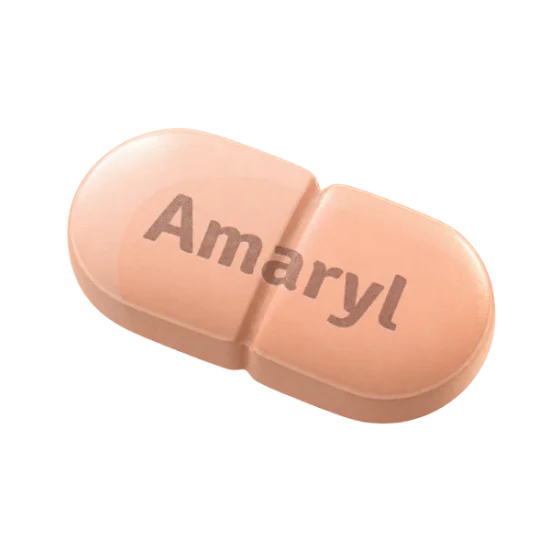
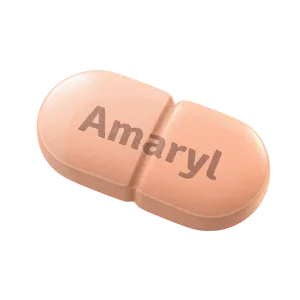
Amaryl is intended for adults with type 2 diabetes mellitus whose blood glucose remains above target despite lifestyle measures. Its key benefit is helping functioning pancreatic beta cells release more of the insulin already produced by the body.
Product information
Glimepiride, the active ingredient of Amaryl, is a sulfonylurea tablet used to lower blood glucose in adults with type 2 diabetes mellitus. It supports the pancreas in releasing insulin when the body can still produce insulin. Amaryl is used alongside an eating plan, physical activity, and regular glucose monitoring.
Ingredients
Amaryl contains glimepiride, a second-generation sulfonylurea in tablet form. It is used for adults with type 2 diabetes mellitus when lifestyle measures do not keep blood glucose within target. Glimepiride helps functioning pancreatic beta cells release insulin, and treatment is used alongside an eating plan, physical activity, and regular glucose monitoring.
Therapeutic indications
Amaryl contains glimepiride, a second-generation sulfonylurea for adults with type 2 diabetes mellitus. It is intended for people whose blood glucose remains above target despite lifestyle measures, or when a clinician decides that an insulin-releasing medicine is appropriate. The World Health Organization identifies type 2 diabetes as a long-term condition in which blood glucose rises because insulin action or insulin production is impaired [1].
Glimepiride does not replace insulin in people whose pancreas no longer makes it. Its role is to prompt functioning pancreatic beta cells to release more of the insulin already produced by the body.
Dosage and administration
The dose of Amaryl is decided individually, taking age, other medicines and health conditions into account. Glucose readings, A1C results, meal pattern, kidney function, and any previous episodes of hypoglycaemia all influence the treatment plan.
Take the prescribed daily dose with breakfast or the first main meal.
Swallow the tablet whole with water.
Use it at roughly the same time each day.
Do not take an extra tablet to make up for a missed dose.
If a dose is missed, resume the usual schedule with the next planned meal.
Record repeated low readings, high readings, or symptoms and discuss them at the next clinical review.
Do not alter the dose independently after a single high reading. A high value may follow illness, a large meal, disrupted sleep, infection, or missed treatment. A clinician assesses the pattern rather than one isolated number.
A new exercise routine can lower glucose for hours after the activity ends. Check glucose more often when adding long walks, gym sessions, fasting periods, or physically demanding workdays.
When not to use it
Amaryl is not for you if you have type 1 diabetes, diabetic ketoacidosis, or a known allergy to glimepiride, other sulfonylureas, or sulfonamides. Diabetic ketoacidosis requires urgent medical treatment with insulin and fluids; it is not managed with oral glucose-lowering tablets.
Potentially relevant interactions include:
insulin and other glucose-lowering medicines, which can increase hypoglycaemia risk;
fluconazole, certain antibiotics, and some anti-inflammatory medicines, which may strengthen glucose-lowering effects;
corticosteroids, some diuretics, thyroid hormones, and sympathomimetic medicines, which may raise glucose;
beta-blockers, which can make warning symptoms less noticeable;
warfarin, because glimepiride may alter its effects in some people.
The European Medicines Agency stresses that diabetes medicines require ongoing benefit-risk assessment and individual clinical review [3].
When this is not for you
You should not use Amaryl if you have type 1 diabetes, diabetic ketoacidosis, or an allergy to glimepiride or related medicines. Talk with a clinician before treatment if you are older, have kidney or liver problems, eat irregularly, have had severe low blood glucose, or take medicines that can change glucose levels. Pregnancy requires an individual diabetes treatment plan.
Possible side effects
Hypoglycaemia is the most clinically significant adverse effect of Amaryl. It means blood glucose has dropped below the level needed for normal brain and body function. The risk rises when meals are missed, food intake is reduced, exercise is greater than usual, alcohol is consumed, kidney or liver function is impaired, or another glucose-lowering medicine is added.
Early symptoms may include:
sweating, tremor, hunger, and palpitations;
headache, dizziness, weakness, or blurred vision;
difficulty concentrating, irritability, confusion, or drowsiness;
nausea or a generally unwell feeling.
Severe hypoglycaemia can lead to loss of consciousness or seizures. Anyone who becomes confused or unable to swallow safely needs urgent medical help. Driving or using machinery is unsafe during symptoms of low glucose or when vision and concentration are affected.
Other reported effects include headache, nausea, fatigue or asthenia, dizziness, abdominal discomfort, and occasional weight gain. Skin rash, itching, or sensitivity reactions can occur. Rarely, sulfonylureas are associated with significant blood-count changes, liver problems, or serious allergic reactions.
If glucose is low and you are awake and able to swallow, use fast-acting carbohydrate first. Foods high in fat, such as chocolate, act too slowly for immediate correction.
A useful detail from practice is that beta-blockers can mask palpitations and tremor, two familiar warning signs of hypoglycaemia. Sweating may remain noticeable, so people using beta-blockers should pay close attention to glucose readings and less obvious symptoms.
How it affects the body
Glimepiride acts mainly on pancreatic beta cells. These cells sense glucose and produce insulin, the hormone that helps glucose move from the bloodstream into muscle, fat, and other tissues for energy or storage.
Sulfonylureas close ATP-sensitive potassium channels on beta cells. This electrical change opens calcium channels and prompts insulin-containing granules to release insulin. More circulating insulin can reduce glucose after meals and lower fasting glucose over time.
Glimepiride may also improve insulin sensitivity in peripheral tissues, meaning muscle and fat cells respond more effectively to the insulin available. Better insulin action can reduce the liver’s glucose output, though pancreatic insulin release remains its central clinical effect. The FDA prescribing information describes hypoglycaemia as the key dose-related risk of this insulin-secretagogue action [2].
The benefit has a limit. If beta-cell function is greatly reduced, a sulfonylurea may no longer give sufficient glucose control. Clinicians then reassess the treatment plan rather than simply continuing to raise treatment intensity.
Common mistakes
Several preventable errors can make Amaryl harder to use successfully:
Taking a tablet before a meal that is later skipped or delayed.
Doubling the next dose after forgetting one.
Treating repeated low readings by eating extra food without reporting the pattern.
Assuming dizziness is always dehydration rather than checking glucose.
Starting a restrictive diet or prolonged fast without adjusting the diabetes plan.
Using alcohol on an empty stomach.
Failing to tell a clinician about new antibiotics, antifungals, steroids, or blood-pressure treatment.
Write down the time of symptoms, what you ate, activity level, glucose reading, and medicines taken. This small record can reveal whether lows occur after a specific meal, exercise session, or timing change.
Weight gain can occur with sulfonylureas because insulin promotes energy storage and people may eat extra carbohydrates to correct lows. It is not inevitable, but it is a meaningful limitation for people already trying to reduce weight.
Comparison
Amaryl is one approach to glucose lowering, not the only approach. Choice depends on A1C, glucose pattern, body weight, kidney function, cardiovascular history, hypoglycaemia risk, and the ability to maintain a consistent meal schedule.
Treatment
Main action
Key practical difference
Glimepiride in Amaryl
Stimulates pancreatic insulin release
Can lower glucose effectively but may cause hypoglycaemia and weight gain
Reduces liver glucose production and improves insulin sensitivity
Usually does not cause hypoglycaemia when used alone; stomach upset is common early on
Glipizide
Stimulates pancreatic insulin release
Works through the same sulfonylurea pathway and carries a similar hypoglycaemia concern
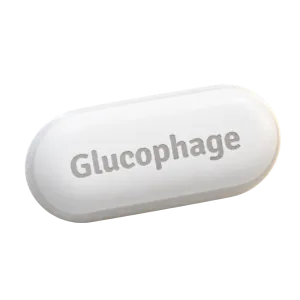
Metformin is frequently used as a foundation treatment because it does not directly force insulin release. Amaryl may be selected when additional glucose lowering is needed and the person has enough residual beta-cell function. Glipizide and glimepiride share the sulfonylurea class, so combining them is not usually logical.
A1C testing helps clinicians judge whether the treatment plan is working beyond day-to-day finger-prick readings. The American Diabetes Association’s 2025 Standards of Care place medication selection within an individual plan that considers hypoglycaemia risk, weight, cardiovascular and kidney health, and treatment goals [4]. National Institute for Health and Care Excellence (NICE) guidance also supports individualized treatment selection based on these clinical factors.
What doctors say
In clinical practice, doctors often see the best results with Amaryl when the tablet is linked to a dependable meal routine. The medicine can be very useful for lowering glucose, yet it demands more awareness of missed meals than medicines that do not stimulate insulin release.
A physician will usually ask about work shifts, fasting habits, appetite changes, alcohol use, exercise, and previous low-glucose episodes before adjusting treatment. Those details often explain unexplained readings better than simply increasing a dose.
People sometimes focus only on fasting readings. Post-meal glucose, A1C, body weight, and the number of low-glucose episodes tell a fuller story. A treatment that lowers A1C but causes repeated symptomatic lows needs reassessment.
Older adults can use Amaryl when a clinician considers glimepiride suitable, though the risk of prolonged hypoglycaemia may be higher with reduced kidney function, poor appetite, or multiple medicines. The dose is decided individually, taking age, other medicines and health conditions into account. The American Diabetes Association’s 2025 guidance emphasises avoiding hypoglycaemia in older adults because it can contribute to falls, confusion, and loss of independence. Regular glucose review is more useful than relying on symptoms alone.
What should be discussed with a doctor before starting Amaryl?
Discuss previous hypoglycaemia, kidney or liver disease, irregular eating patterns, alcohol intake, pregnancy plans, and all prescription or non-prescription medicines. Mention whether you drive for work, work night shifts, fast regularly, or live alone, as each factor changes the practical consequences of a low-glucose episode. The FDA’s Amaryl prescribing information, revised in 2013, highlights the relevance of interacting medicines and circumstances that increase hypoglycaemia risk. A recent A1C value and glucose record help guide the initial plan.
Can Amaryl cause weight gain?
Yes, weight gain can occur with Amaryl because glimepiride increases insulin release and because people may consume extra calories when preventing or treating low glucose. The effect varies between individuals and is not a reason to ignore repeated hypoglycaemia. The ADA Standards of Care published in 2025 list weight impact as one factor in selecting glucose-lowering therapy. Regular meals, appropriate treatment of confirmed lows, and follow-up of weight trends can limit avoidable changes.
What happens if Amaryl is stopped, and does it need tapering?
Stopping Amaryl can allow blood glucose to rise, sometimes within days, because the insulin-stimulating effect is no longer present. A taper is not usually required for withdrawal symptoms, but treatment changes should be planned so glucose does not become uncontrolled. The WHO’s 2023 diabetes information stresses the importance of sustained glycaemic management in reducing diabetes complications. A clinician may replace or adjust treatment based on glucose results, A1C, and the reason for stopping.
Do you offer anonymous delivery?
Your order will be securely packed and shipped within 24 hours. This is exactly what your package will look like (images of an actual item sent). It has the size and look of a regular private letter (24x11x0.7 cm) and its contents cannot be seen.
Sources
World Health Organization (2023). Diabetes
U.S. Food and Drug Administration (2013). AMARYL (glimepiride) tablets prescribing information
European Medicines Agency (2018). Guideline on clinical investigation of medicinal products in the treatment or prevention of diabetes mellitus
American Diabetes Association (2025). Standards of Care in Diabetes—2025
Reviews: Amaryl
N
Nadeem, 59
Abu Dhabi
Several weeks
Verified
Rating: 1.5 out of 5
I used Amaryl for several weeks but had repeated shaky, sweaty spells when my breakfast timing changed during work shifts. My doctor stopped it after reviewing my glucose log, as the lows were too disruptive for me.
12 Oct 2026
T
Tariq P., 55
Hatta
Three months
Verified
Rating: 4 out of 5
I took Amaryl with breakfast every morning for three months and my home glucose readings became much steadier. Keeping the tablet beside my breakfast items helped me avoid missed doses, and I was satisfied with the routine.
25 Oct 2026
K
Khalid, 61
Ajman
Several months
Verified
Rating: 5 out of 5
After several months on Amaryl, my morning readings improved and I felt less thirsty during the day. I kept my meals regular and found the once-daily schedule easy to maintain.