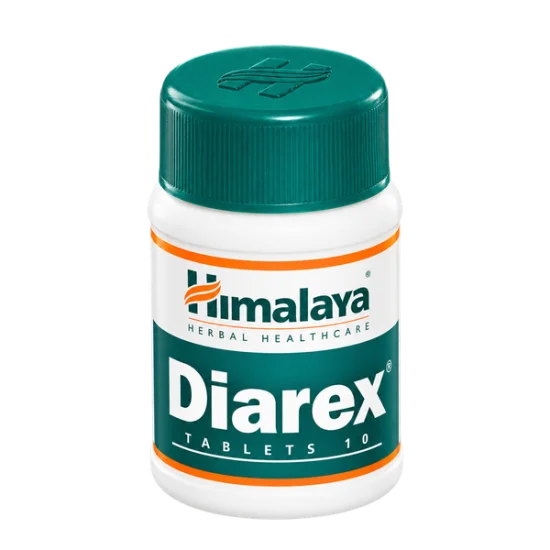
The botanical constituents in Diarex are used to support bowel comfort during digestive disturbances. These tablets are intended for adults seeking gentle support for loose stools, abdominal cramping, bloating, and unsettled digestion.
Product information
Diarex is an Ayurvedic herbal tablet formulation supplied in bottles. It is used as supportive care for short-lived digestive upset and may also suit people who experience recurring bowel irregularity linked with diet, stress, or functional digestive sensitivity.
Centers for Disease Control and Prevention identify diarrhoeal disease as a major cause of dehydration, with children, older adults, and people with chronic illness at greater risk [1].
Ingredients
Ayurveda also uses plants such as ginger and cumin in digestive preparations. Ginger is traditionally valued for easing nausea and upper-abdominal discomfort, while cumin is used for gas and post-meal heaviness. These herbs should not be viewed as interchangeable treatments for persistent diarrhoea or diagnosed bowel disease.
Botanical
Traditional digestive role
Practical relevance
Bael
Supports stool consistency
Used in Ayurvedic care for loose bowel movements
Nutgrass
Supports abdominal comfort
Traditionally used for spasms and digestive unease
Ginger
Supports stomach motility
May help nausea, fullness, and indigestion
Cumin
Supports digestion after meals
Often used for bloating and intestinal gas
Research on individual herbs does not prove that every herbal combination produces the same clinical result. Response varies with the cause of symptoms, food intake, hydration, and existing medical conditions.
The European Medicines Agency recognises ginger rhizome as a traditional herbal medicinal substance for defined digestive uses, including mild gastrointestinal complaints, though this evidence does not establish a treatment role for all causes of diarrhoea [2].
Therapeutic indications
Diarex may be considered for mild digestive disturbances where the main concern is bowel discomfort rather than systemic illness. It is often used alongside simple dietary measures and adequate fluids.
Symptoms that may be supported include:
Loose stools without blood or high fever.
Mild abdominal cramps related to bowel spasm.
Bloating and excess intestinal gas.
Post-meal digestive discomfort.
Functional bowel sensitivity, including some irritable bowel syndrome patterns.
Urgency associated with transient dietary upset.
Irritable bowel syndrome is a long-term disorder involving abdominal pain linked with bowel habit changes. It can include diarrhoea, constipation, or alternating symptoms. NICE and the NHS recommend that IBS care begins with diet and lifestyle review, while treatment choices depend on the dominant symptom pattern [3].
Diarex may ease discomfort in people with occasional bowel sensitivity, yet it does not diagnose IBS. New symptoms after age 50, unexplained weight loss, waking at night with diarrhoea, anaemia, or rectal bleeding require medical investigation.
Dosage and administration
Take Diarex tablets orally with water. The amount used and frequency depend on the reason for use and should be agreed with a doctor or pharmacist.
Avoid taking extra tablets because stools remain loose after the first dose. More is not always better with herbal digestive products, and escalating use can delay recognition of an infection or another condition that needs targeted treatment.
Common use mistakes include:
Using it instead of fluids during active diarrhoea.
Taking several digestive products together without reviewing overlapping herbs.
Continuing self-care despite fever or blood in the stool.
Assuming all abdominal pain is caused by indigestion.
Ignoring a clear connection between symptoms and a newly started medicine.
Keep meals plain during an acute episode: rice, toast, soup, bananas, yoghurt if tolerated, and small frequent sips are often easier on the bowel than rich meals.
If a dose is missed, resume the usual planned schedule. Do not double the next intake.
When not to use it
Blood, black stool, or mucus is present.
Fever, chills, or repeated vomiting occurs.
There is severe or localised abdominal pain.
You have inflammatory bowel disease, bowel obstruction, or a history of gastrointestinal surgery with new symptoms.
Diarrhoea started after antibiotics and is severe or persistent.
You have diabetes and repeated loose stools are affecting food intake or blood glucose control.
You are taking anticoagulants, immunosuppressants, or several herbal supplements without clinical review.
Pregnancy and breastfeeding require individual assessment because herbal combinations may not have adequate safety data for these periods. Children and frail older adults also need closer attention because dehydration can progress faster.
When this is not for you
Diarex is not for you if you have a known allergy to any of its botanical components or have previously developed a significant reaction to herbal digestive products.
Possible side effects
Stop using Diarex and seek urgent care for facial swelling, wheezing, widespread rash, fainting, or severe abdominal pain. These symptoms are not expected minor reactions.
A temporary change in stool frequency can occur when the bowel is already irritated. If bowel symptoms worsen after starting the tablets, do not keep increasing the intake in an attempt to force a result.
Take a clear photo-free written list of every medicine and supplement you use before discussing recurring diarrhoea. Magnesium products, antibiotics, metformin, laxatives, and some sugar substitutes can all affect bowel habits.
The product should be treated as a supportive digestive option, not as a treatment for dehydration. This distinction is easy to miss during travel, fasting, or periods of high heat.
How it affects the body
Diarex is intended to provide antisecretory and antispasmodic support. Antisecretory action means reducing excessive fluid secretion into the bowel, which can contribute to watery stools. Antispasmodic action refers to easing involuntary intestinal muscle contractions that feel like gripping cramps.
In physiological language, the aim is steadier intestinal movement, less irritation, and better tolerance of food.
Common mistakes
The most frequent mistake is treating every loose stool as the same problem. Food-related upset may improve quickly, while infection, medication side effects, and IBS need different management.
Another mistake is eating normally despite active cramps and diarrhoea. Fried food, high-fat meals, alcohol, large amounts of coffee, and spicy dishes can intensify bowel urgency in susceptible people.
People also underestimate fluids. Passing several watery stools can reduce fluid and electrolyte stores even when thirst is not severe.
For recurring symptoms, keep a brief three-day record of meals, stool frequency, sleep, stress, and medicines. This is more useful clinically than trying to remember a pattern weeks later.
Do not use herbal support to mask pain that is getting stronger or becoming concentrated in one area of the abdomen.
Comparison
Diarex is one option within a wider approach to mild digestive disturbances. The right choice depends on whether loose stools, cramping, bloating, reflux, or constipation is the main problem.
Approach
Main purpose
Limitation
Herbal bowel-support tablets
Supports comfort during mild loose stools and cramps
Does not replace rehydration or diagnosis
Oral rehydration solution
Replaces fluid and electrolytes
Does not directly ease cramping
Prescription antispasmodic treatment
Targets clinically significant bowel spasm
Requires assessment for suitability
Oral rehydration is the priority when diarrhoea causes frequent watery stools, dry mouth, weakness, or reduced urination. A clinician may consider an antispasmodic medicine for diagnosed functional bowel spasm, though these medicines are not suitable for every type of abdominal pain.
The advantage of Diarex is its herbal, supportive approach. Its limitation is equally clear: it should not be relied upon for severe, infectious, or unexplained symptoms.
What doctors say
In clinical practice, doctors focus first on the cause of diarrhoea rather than simply reducing stool frequency. A short episode after dietary excess may settle with fluids, bland food, and supportive measures. Repeated episodes, weight change, or nocturnal symptoms call for a different pathway.
Doctors often ask about travel, antibiotic exposure, new medicines, artificial sweeteners, lactose intake, stress, and family history of bowel disease. These details can reveal a trigger that a digestive tablet alone cannot address.
A reasonable expectation is symptom support, not immediate control of every bowel disturbance. If symptoms are mild and settle, Diarex may fit into a short-term digestive care plan. If they recur, the pattern itself becomes clinically useful information.
Common questions
Which diet and habits support the result of Diarex?
Small bland meals, regular fluids, and temporary avoidance of alcohol, fried foods, spicy meals, and excess caffeine can reduce bowel irritation. WHO guidance on diarrhoeal disease stresses hydration because replacing lost fluid is central to preventing complications. A food and symptom record can identify triggers such as lactose, large fatty meals, or sugar alcohols. The WHO fact sheet was updated in 2024 and supports prompt attention to dehydration risk. Children and older adults may need earlier assessment when fluid loss is rapid.
Does Diarex cause constipation?
Constipation is possible when bowel movement slows after an episode of loose stools, though it is not expected in every user. Reduced food intake, dehydration, and avoiding fibre during an acute upset can also contribute. If constipation is persistent, painful, or accompanied by abdominal swelling, stop self-treatment and seek clinical advice. The EMA’s 2017 herbal medicine resources describe gastrointestinal tolerability as an important consideration with digestive botanicals.
Can Diarex be used during pregnancy or breastfeeding?
Pregnancy and breastfeeding are periods when herbal combinations should be assessed individually. Safety information for many traditional botanical mixtures is less extensive than for well-studied conventional medicines. The European Medicines Agency advises caution where reproductive safety data for herbal substances are limited. This position remains relevant in 2026, especially when diarrhoea is severe enough to affect fluid intake.
Can Diarex be combined with antidiarrhoeal medicines or other supplements?
Combining several products aimed at diarrhoea can complicate symptom monitoring and may cause constipation or mask worsening illness. Antidiarrhoeal medicines should be avoided when fever, blood in the stool, or suspected infection is present unless a clinician directs otherwise. NICE guidance advises matching treatment to the symptom pattern and looking for warning signs in bowel complaints. The NICE IBS guideline was updated in 2017.
Can I drive or work with machinery after taking Diarex?
Diarex is not expected to impair driving through a sedative effect. Severe cramps, dehydration, dizziness, weakness, or frequent urgent bowel movements can still make driving or machinery work unsafe. Avoid driving if you feel faint, cannot maintain fluids, or need immediate access to a toilet. WHO guidance published in 2024 identifies dehydration as a significant clinical risk during diarrhoeal illness.
What should I do after a missed dose?
Take the next planned dose at the usual time rather than doubling the amount. A missed dose is less important than hydration, especially during active loose stools. Repeatedly missed doses alongside continuing symptoms may indicate that the cause needs assessment rather than more self-care. The WHO’s 2024 advice on diarrhoeal illness places fluid replacement ahead of symptom suppression.
How long does one dose of Diarex keep working?
The effect can vary because bowel symptoms have different causes and fluctuate through the day. Some people notice reduced cramping or urgency after use, while others may need dietary adjustment and hydration before improvement becomes clear. Do not judge the product only by a single episode if symptoms are mild, but do not prolong self-treatment when symptoms worsen. NICE clinical guidance, issued in 2017, supports reassessment when bowel symptoms are persistent, severe, or associated with warning signs.
Do you offer anonymous delivery?
Your order will be securely packed and shipped within 24 hours. This is exactly what your package will look like (images of an actual item sent). It has the size and look of a regular private letter (24x11x0.7 cm) and its contents cannot be seen.
Sources
World Health Organization (2024). Diarrhoeal disease.
European Medicines Agency (2017). European Union herbal monograph on Zingiber officinale Roscoe, rhizoma.
National Institute for Health and Care Excellence (2017). Irritable bowel syndrome in adults: diagnosis and management.
Reviews: Diarex
A
Adnan, 46
Ruwais
Two days
Verified
Rating: 5 out of 5
I took one tablet twice daily for two days. I used Diarex during a brief period of stomach upset after several heavy meals. The urgency eased and my stomach felt more settled by the next day. I kept my meals simple and was satisfied with the support.
13 Oct 2026
A
Anil, 45
Liwa
Three days
Verified
Rating: 4.5 out of 5
I took one tablet twice daily for three days. I had occasional loose stools and uncomfortable bloating during a busy work period. Diarex helped reduce the cramping and made eating feel less difficult. The improvement was practical rather than dramatic, which was exactly what I wanted.
27 Oct 2026
D
Daniel P., 37
Khalifa City
Three days
Verified
Rating: 3.5 out of 5
I took one tablet twice daily for three days. I used Diarex when my bowel symptoms flared after eating out. The cramps became milder, but the loose stools took longer to settle than I expected. I stopped using it after the episode improved and focused on fluids and light meals.